Understanding standard frame sizes helps you make confident decisions that look great on your wall and fit your space. Choosing the right frame size doesn’t need to be a guessing game.
In this guide, we break down common frame sizes, explain what makes a size “standard,” and help you decide which dimensions make the most sense for your framing project. If you’re new to framing or planning a gallery wall, this is the reference you can bookmark and use again and again.
Important Note: When people talk about “frame size,” they’re often actually referring to the art size. In most cases, picture frames are sized based on the dimensions of the artwork they’re meant to hold, not the outer dimensions of the frame itself. That means an “8 x 10 frame” is designed to fit an 8 x 10 piece of art.
What Are Standard Picture Frame Sizes?
Standard picture frame sizes are the most commonly used dimensions for framing art, photographs, and prints. These sizes exist because many photo labs, artwork formats, and print services produce pieces in these dimensions, making framing straightforward.
Standard sizes make it easier to:
- easily pick a size if you’re stuck
- choose mats that enhance your art
- plan wall arrangements
- order custom framing with confidence
While custom sizes are always an option, standard dimensions give you a reliable starting point.
Common Standard Frame Sizes and When to Use Them
Here’s a look at widely recognized standard frame sizes and the kinds of artwork or photos they’re best suited for:
4 x 6 inches
This is one of the most popular photo print sizes. It’s perfect for snapshots, instant‑camera prints, and small desk or shelf displays.
A small 4 x 6 frame can:
- highlight everyday memories
- work well in clusters on gallery walls
- be used for gift frames or desk art
5 x 7 inches
A step up from 4 x 6, the 5 x 7 size is a classic for portraits, family photos, and keepsakes. It’s also a common size for cards and small printed artwork.
This size:
- often works with small mats
- looks balanced on mantels or shelves
- is a frequent choice in ready‑made frame collections


8 x 10 inches
The 8 x 10 frame is a versatile standard size that works for many art prints and photos. It’s often used for:
- portrait photos
- detailed prints
- certificates or documents
This size pairs well with mats because the jump to larger finished dimensions creates a more prominent display.
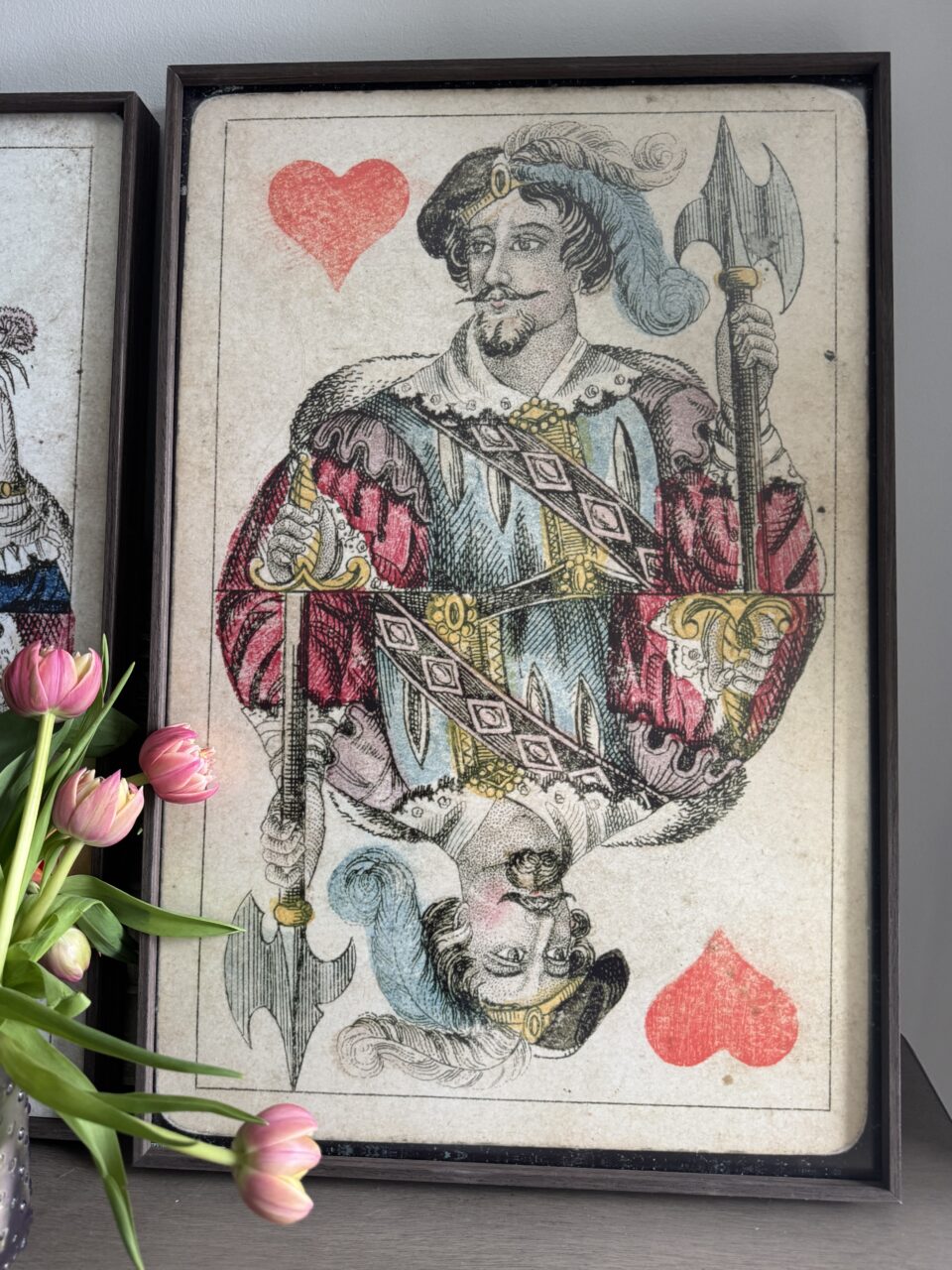
11 x 14 inches
Frames in this size are popular for larger photos, art prints, or small posters. With a mat, 11 x 14 frames become a strong centerpiece in a room without overwhelming the space.
This size is a go‑to for:
- gallery walls
- statement photos
- medium art prints
16 x 20 inches
Stepping into poster territory here, 16 x 20 frames are frequently used for:
- posters
- professional artwork
- larger photography prints
At this size, framing becomes a focal point of a wall rather than an accent.


18 x 24 and 20 x 24 inches
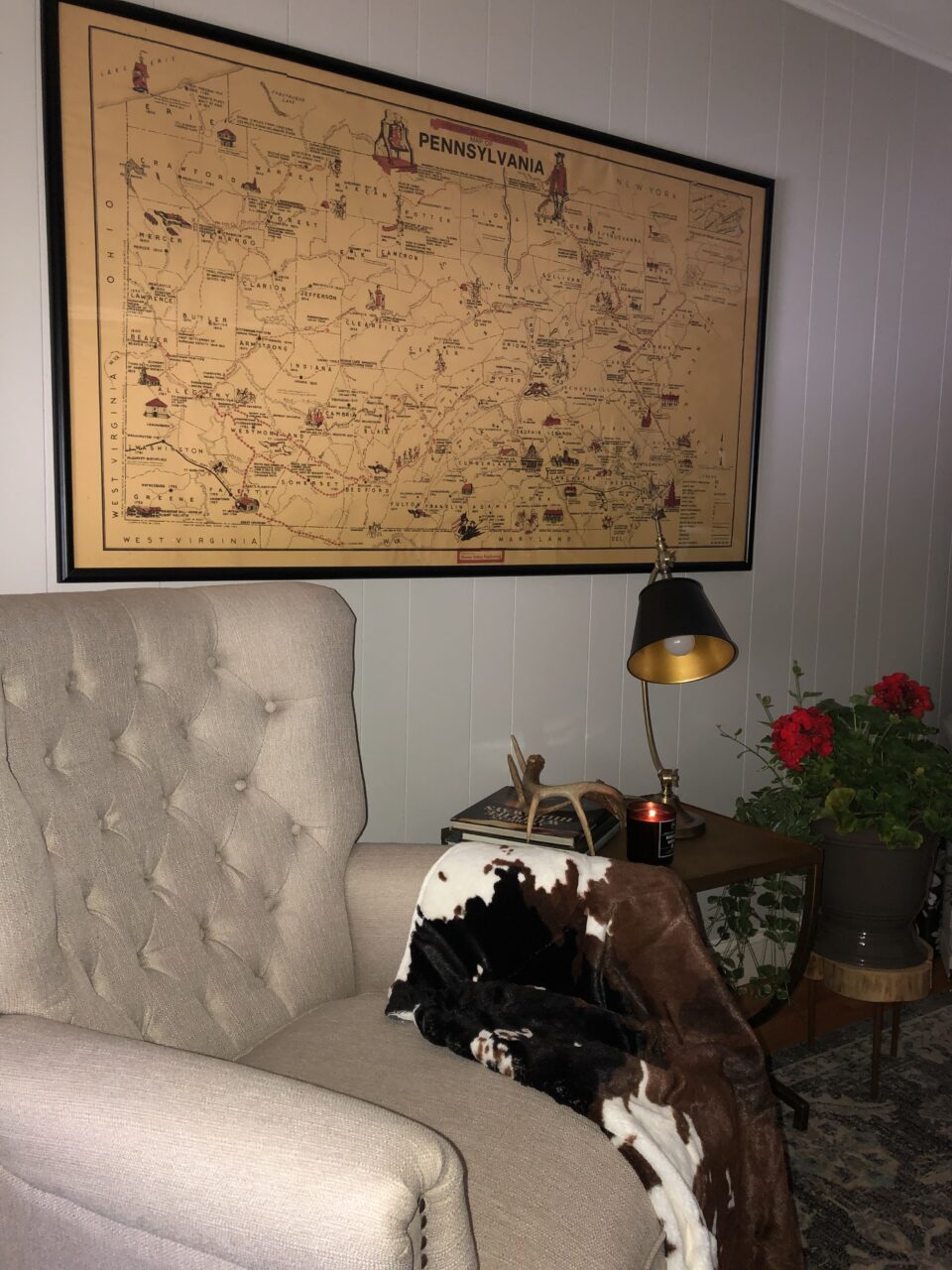
These larger standard sizes are common for posters, graphic prints, maps, and large artwork. They work well individually or as part of coordinated displays, like framing 3 in a row.
24 x 36 inches
This is a classic poster size and a favorite for visually bold prints. A 24 x 36 frame makes a strong statement and often serves as the anchor for a gallery wall.
Why Standard Frame Sizes Matter
Easier Shopping: Standard sizes are widely available, which means you have more frame styles and price points to choose from.
Better Compatibility: Photo labs, print services, and digital art marketplaces often use these sizes, so your prints can be framed without trimming or awkward adjustments.
Simpler Matting: Mats cut to standard sizes fit readily with ready‑made frames, making your choices easier when you want to elevate a piece with a border.
How Mats Affect Standard Frame Sizes
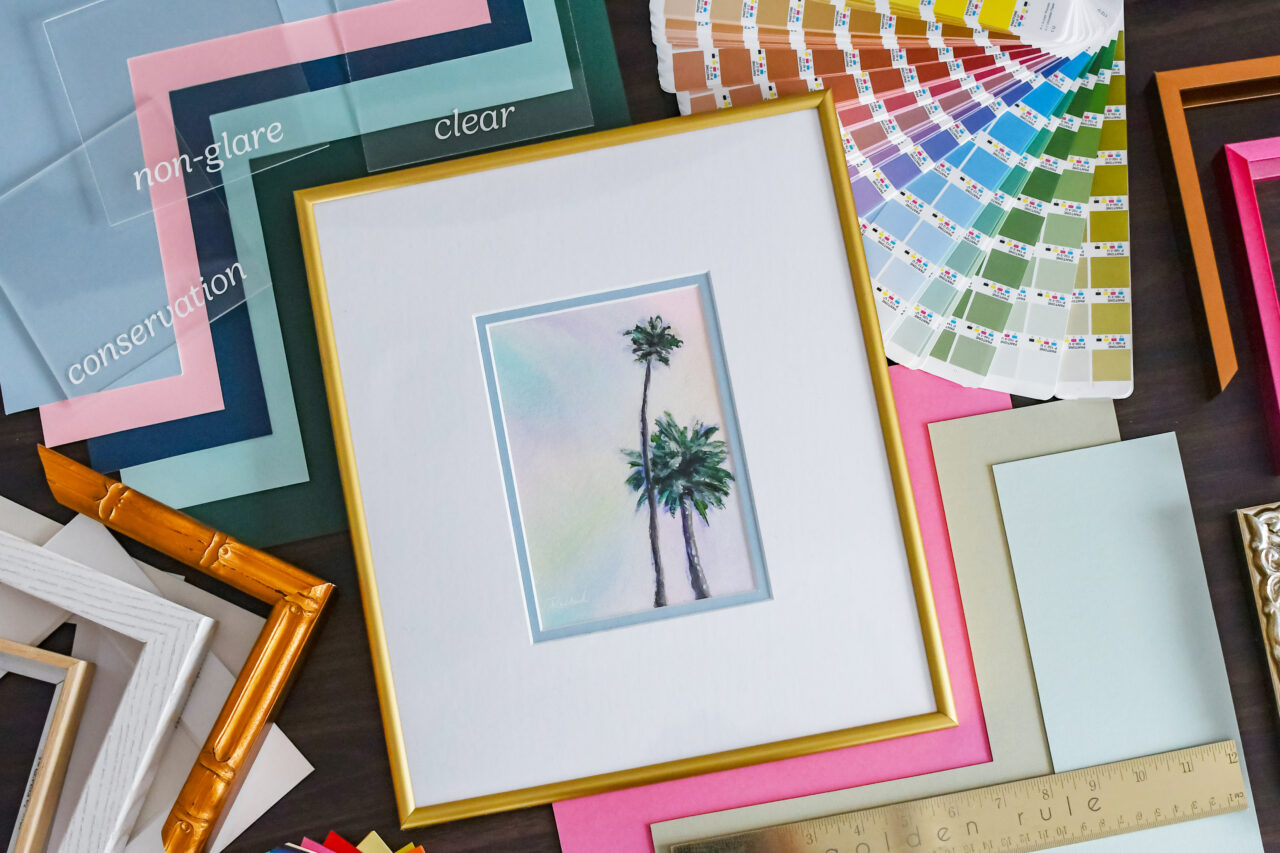
If you’re adding a matboard with your frame, the final finished size changes.
A mat adds a border around the artwork, increasing the overall dimensions of the framed piece. For example, an 8 x 10 print with a 2-inch mat will become a 12 x 14 mat opening before the frame is added. With a double mat, an additional inner mat layer creates a subtle reveal, adding depth and slightly increasing the overall size even further.
This is why understanding standard frame sizes helps you plan both the art size and the final outside dimensions when mats are involved.
Choosing the Right Standard Frame for Your Space
Standard frame sizes work well in almost any room of the house or office, but context helps refine your choice:
- Small spaces: Use smaller sizes like 4 x 6 or 5 x 7 for desks or shelves.
- Focal art: Choose medium sizes like 8 x 10 or 11 x 14 near a desk, sofa, or bedside wall.
- Gallery walls: Mix standard sizes for variety and balance.
- Statement pieces: Go larger (16 x 20, 18 x 24, 24 x 36) for standout art or posters.
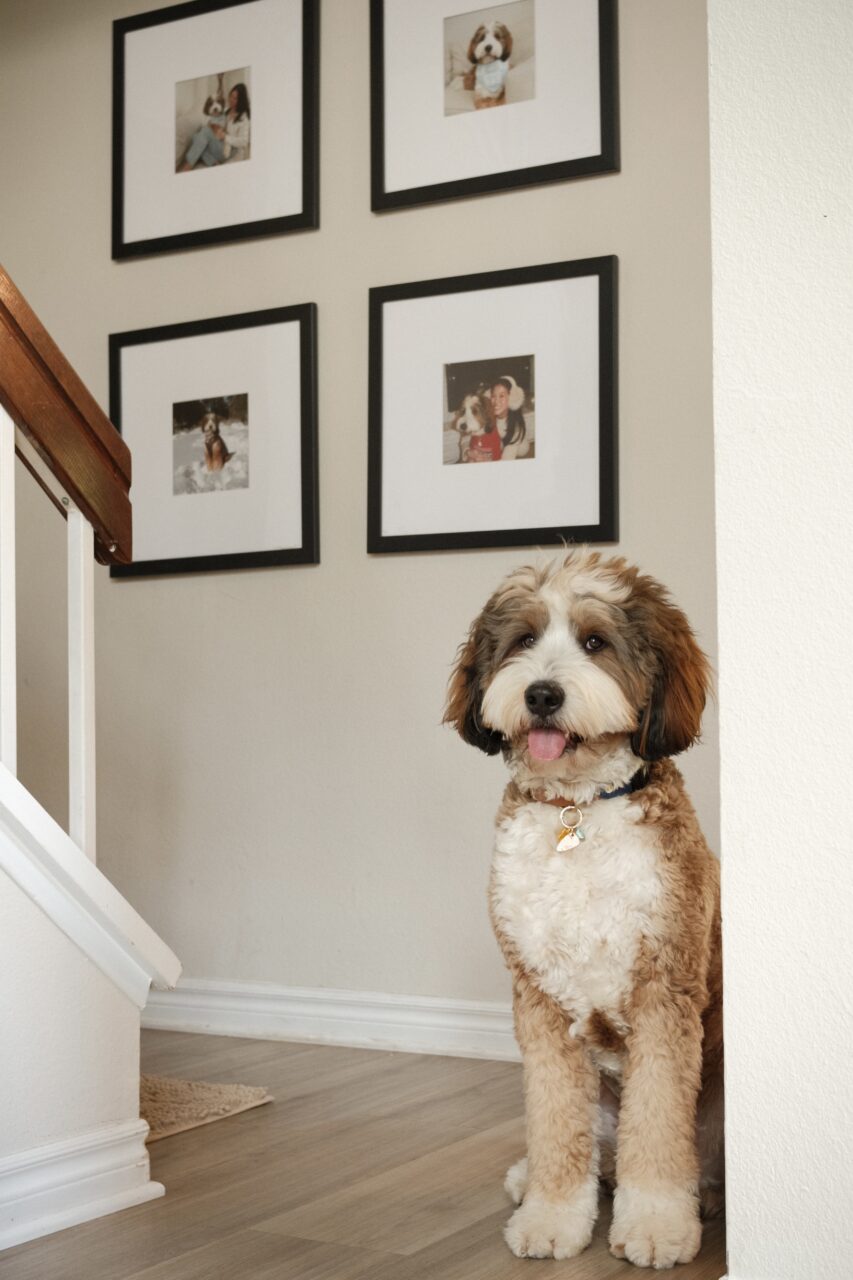
A gallery wall often combines multiple standard sizes, which helps create a unified look without custom sizing for every piece.
Should You Always Use Standard Sizes?
Standard sizes are a fantastic starting point, but they aren’t the only option. Some situations call for custom sizing:
- Unusual artwork dimensions
- Framing textiles or memorabilia
- Mixed media pieces
- Art made with non‑standard proportions
Custom sizing gives you flexibility, but standard sizes give you convenience, predictability, and sometimes, better pricing.
Quick Tips for Measured Decisions
- Always measure your art first. Even if it should be a standard size, actual measurements avoid surprises.
- Account for mats. The mat’s visible border changes the overall picture before the frame is added.
- Plan wall space first. Know how much room you want to fill before you choose the finished frame size.
- Use standard sizes for groupings. Consistent standard sizes make layouts easier.
Fun Ways to Use Standard Frame Sizes
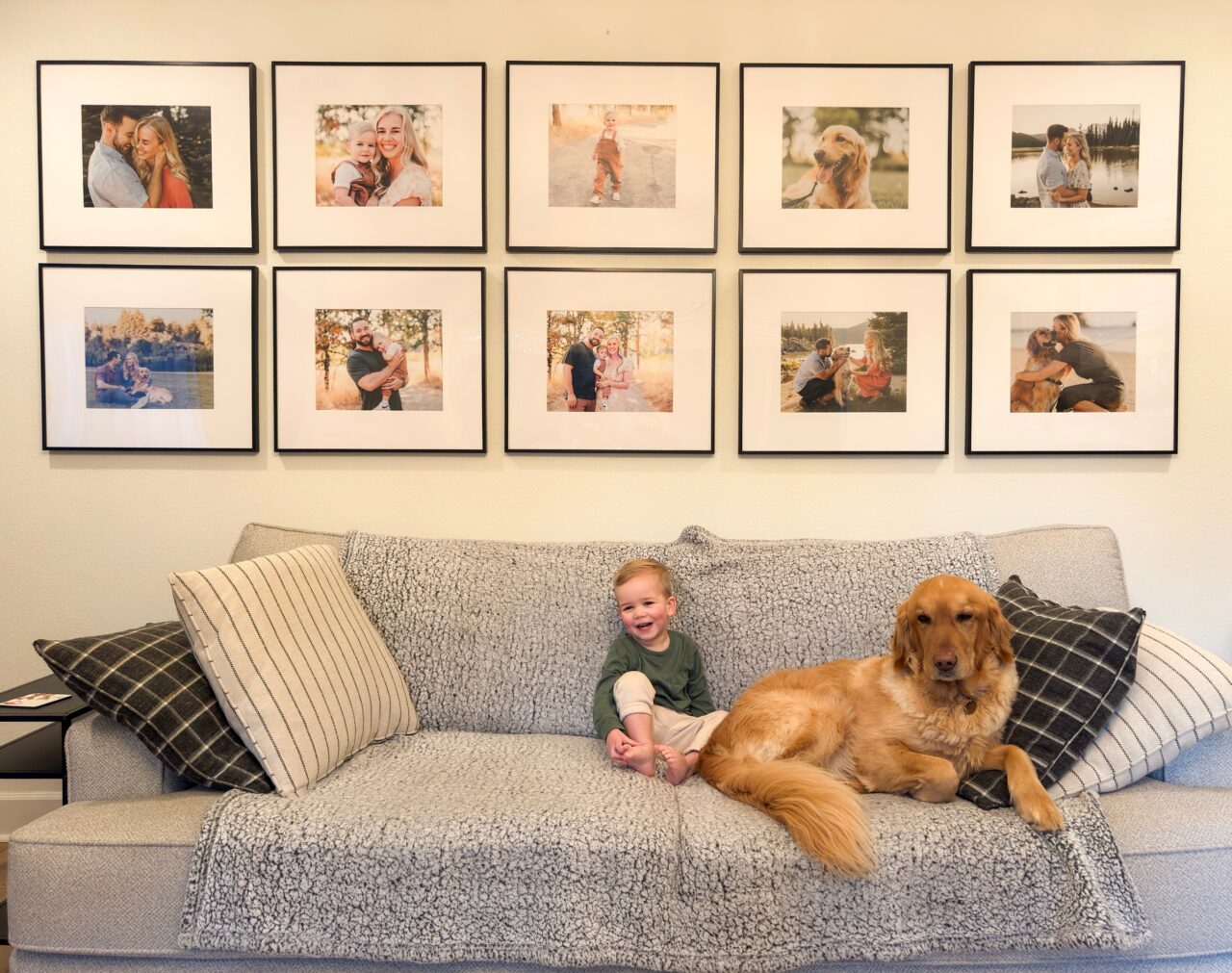
From small keepsakes to gallery walls and statement prints, popular frame sizes let you play with scale, proportion, and narrative.
You can:
- pair a 5 x 7 with 11 x 14 in layered clusters
- anchor a focal wall with a 24 x 36 poster
- use a series of 8 x 10s for an all the same size thematic display
There’s no one right way, standard sizes just give you a stable foundation to build from.
Final Thoughts

Standard sizes are the backbone of framing decisions. They make choosing frames easier, help you mix and match art, and simplify both shopping and styling.
If you’re framing photos, prints, concert or movie posters, or keepsakes, understanding standard sizes helps you get a result that looks intentional and fits your space.
Standard sizes give you a practical framework (pun intended), and the freedom to fill your walls with art that feels personal and beautiful.
So where do I start?
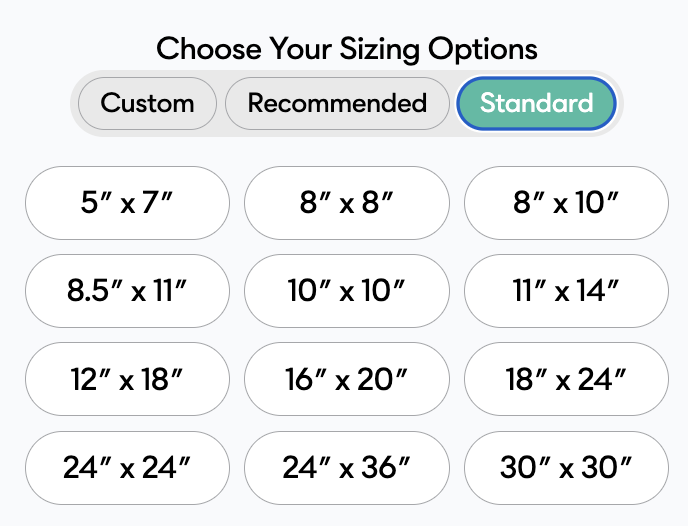
The best place to start is by deciding what you want to frame, and if it needs a standard size or a custom size. If you have art, measure it carefully. When uploading a print, you can choose your size as you’re designing your frame. We make it very simple in our 3D Frame Designer to choose standard sizing and recommended options. or fully customizable sizing. It’s that easy!

Frequently Asked Questions
What are the most common standard frame sizes?
Common standards include 4 x 6, 5 x 7, 8 x 10, 11 x 14, 16 x 20, 18 x 24, 20 x 24, and 24 x 36 inches.
Do all frame stores use the same standard sizes?
Most stores and labs use similar standard sizes, but availability may vary by retailer and region.
Should I always buy a standard-size frame?
Standard sizes make shopping easier and often cost less, but custom sizes are best when your artwork doesn’t fit a standard dimension.
How does matting affect frame size?
Mats add visible border space around your art, which increases the overall size before the frame itself is added.
Can I mix standard frame sizes in a gallery wall?
Yes, mixing standard sizes is one of the best ways to create visual rhythm and balance in a gallery wall layout.