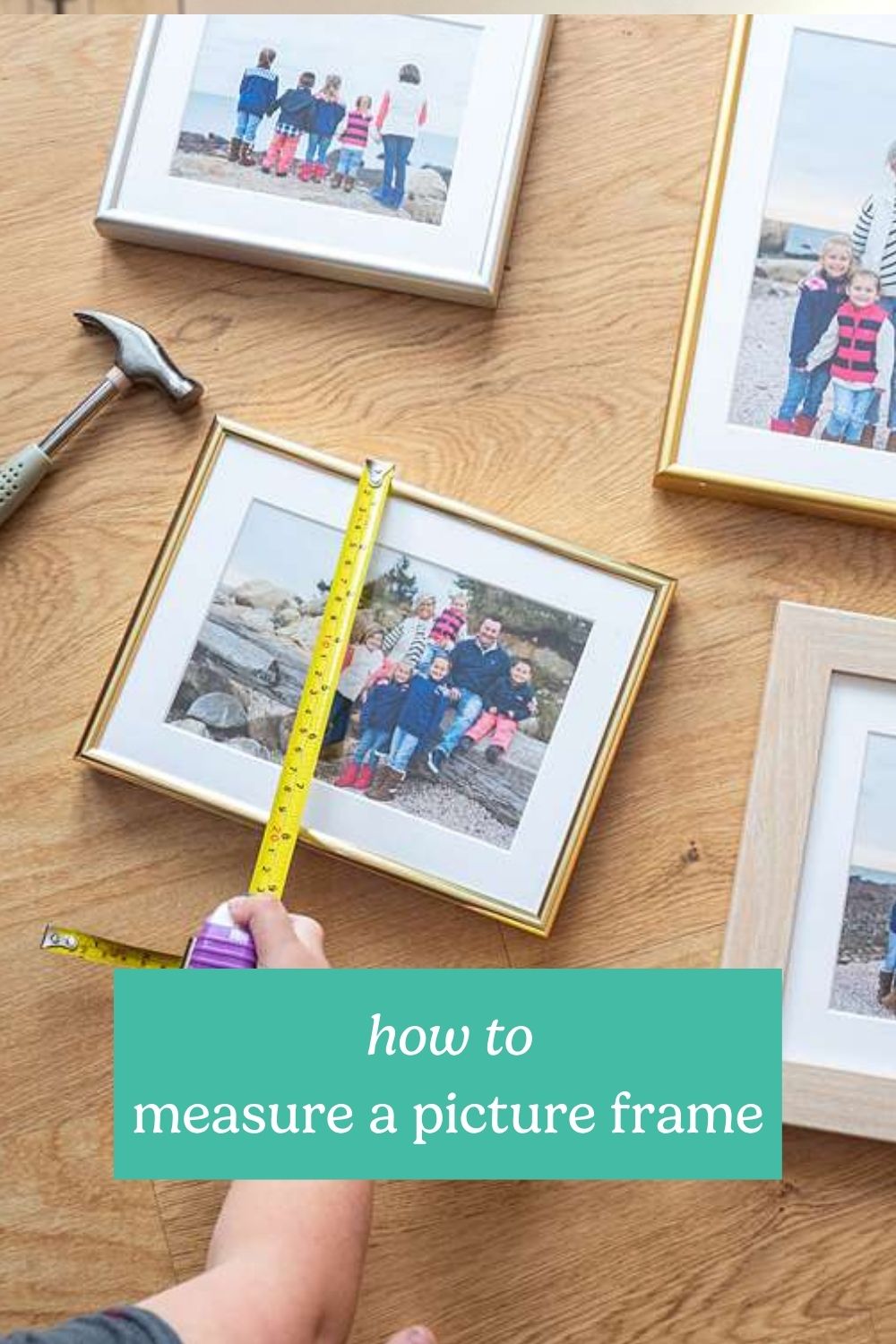
Measuring a picture frame seems simple…until you realize there’s more than one size that matters.
Sometimes you need the size of the art going inside the frame. Sometimes you need the outside dimensions of the finished frame. And if you’re adding a matboard, that changes things too.
That’s where a lot of people get tripped up.
The good news? Once you know what you’re measuring for, it’s easy.
In this guide, we’ll walk through how to measure a picture frame, explain the difference between inside and outside dimensions, and show you how matboards affect the final size, without making it weird.
The Quick Answer on Measuring
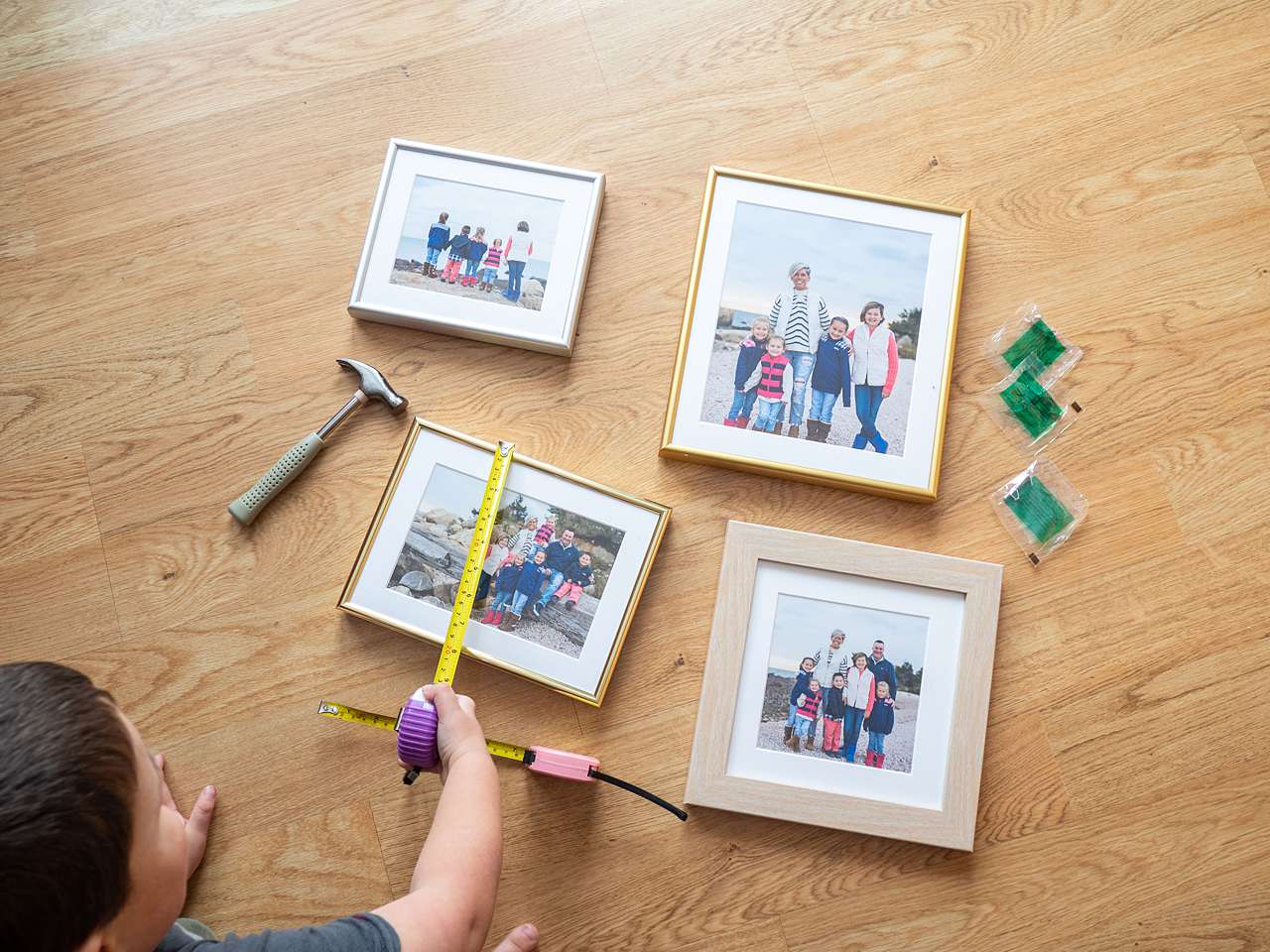
To measure a picture frame, start by figuring out which measurement you actually need.
If you’re ordering a frame for a photo, print, or artwork, you usually want the inside frame size, which is based on the size of the piece you’re framing.
If you’re checking whether a frame will fit on a wall, shelf, or in a gallery wall layout, you’ll want the outside dimensions of the finished frame.
If you’re adding a matboard, you also need to account for the visible mat width on all four sides.
That’s the secret: there isn’t just one “picture frame size.” There’s the size of what goes in the frame, and the size of the frame itself, once everything is assembled. We’ll explain…
Start With the Artwork, Not the Frame
If you’re ordering a custom frame, the most important measurement is usually the size of the artwork itself. This is often called the art size, and it’s the exact width and height of the piece you want to frame.
Before you order anything, grab a ruler or tape measure and measure the real thing.
That means:
- measure the actual piece, even if it’s supposed to be a standard size
- measure from left to right for width
- measure from top to bottom for height

This last part matters more than people think. A print that’s supposed to be 8″ x 10″ is not always exactly 8″ x 10″. If you’re off even a little, the fit can get awkward fast. Measure twice, frame once!
Before you order anything, grab a ruler or tape measure and measure the real thing.
What Is the Inside Frame Size?
Frame sizing is typically based on what the frame is designed to hold, not the final outer dimensions.
The inside frame size is the size of the opening the frame is built around. In most custom framing situations, the inside frame size matches the size of your art.
So if your print measures 8″ x 10″, you’d order an 8″ x 10″ frame.
This is the part that feels backward at first: the finished frame will end up larger than 8″ x 10″, but the size you order is still based on the piece going inside it.
Here are some examples of how much thickness will be added with the style frame you choose:
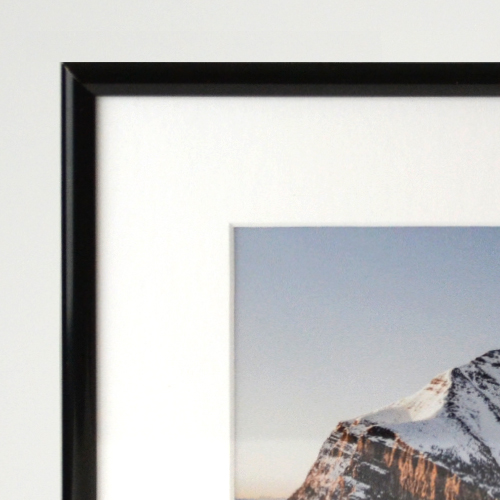
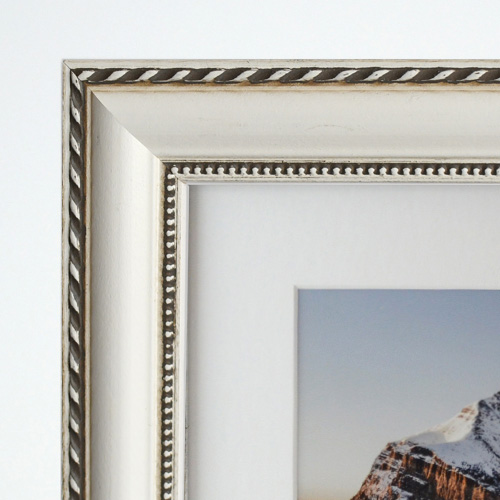
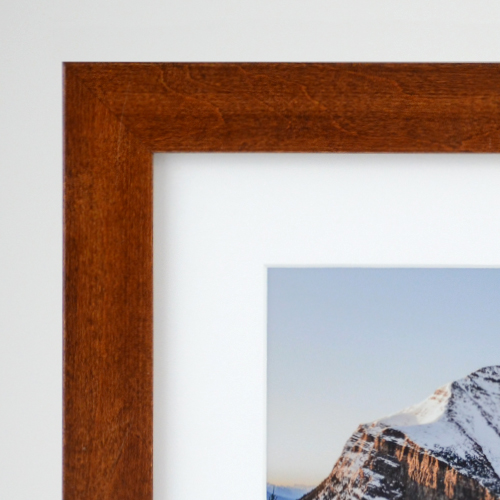

How to Measure the Outside of a Picture Frame
If you already have a frame and want to know how much space it takes up, measure the outside dimensions.
To find the finished frame dimension, measure from:
- the outermost left edge to the outermost right edge
- the outermost top edge to the outermost bottom edge
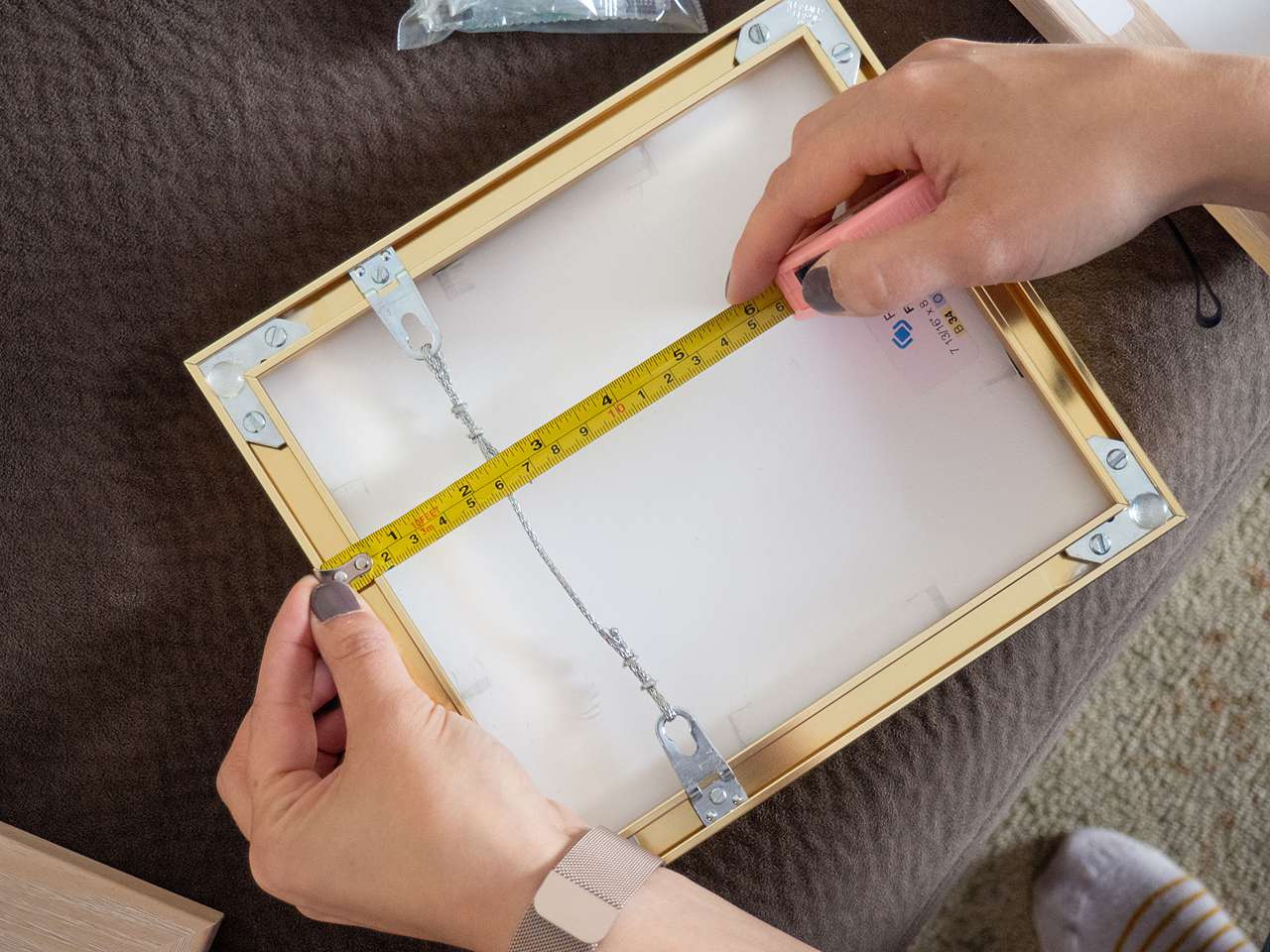
This is the measurement that matters if you’re:
- filling a specific wall space
- planning a gallery wall
- checking whether a frame will fit on a shelf or ledge
- comparing multiple finished frames side by side
If your goal is “Will this fit here?” the outside size is what you need.
If your goal is “What size frame should I order for this art?” the outside size is usually not where you start.
Why an 8″ x 10″ Frame Isn’t Actually 8″ x 10″
This is probably the most common frame-related confusion out there.
An 8″ x 10″ frame is designed to fit 8″ x 10″ art. That doesn’t mean the finished frame measures 8″ x 10″ on the outside. The actual outside size depends on the width of the frame moulding.
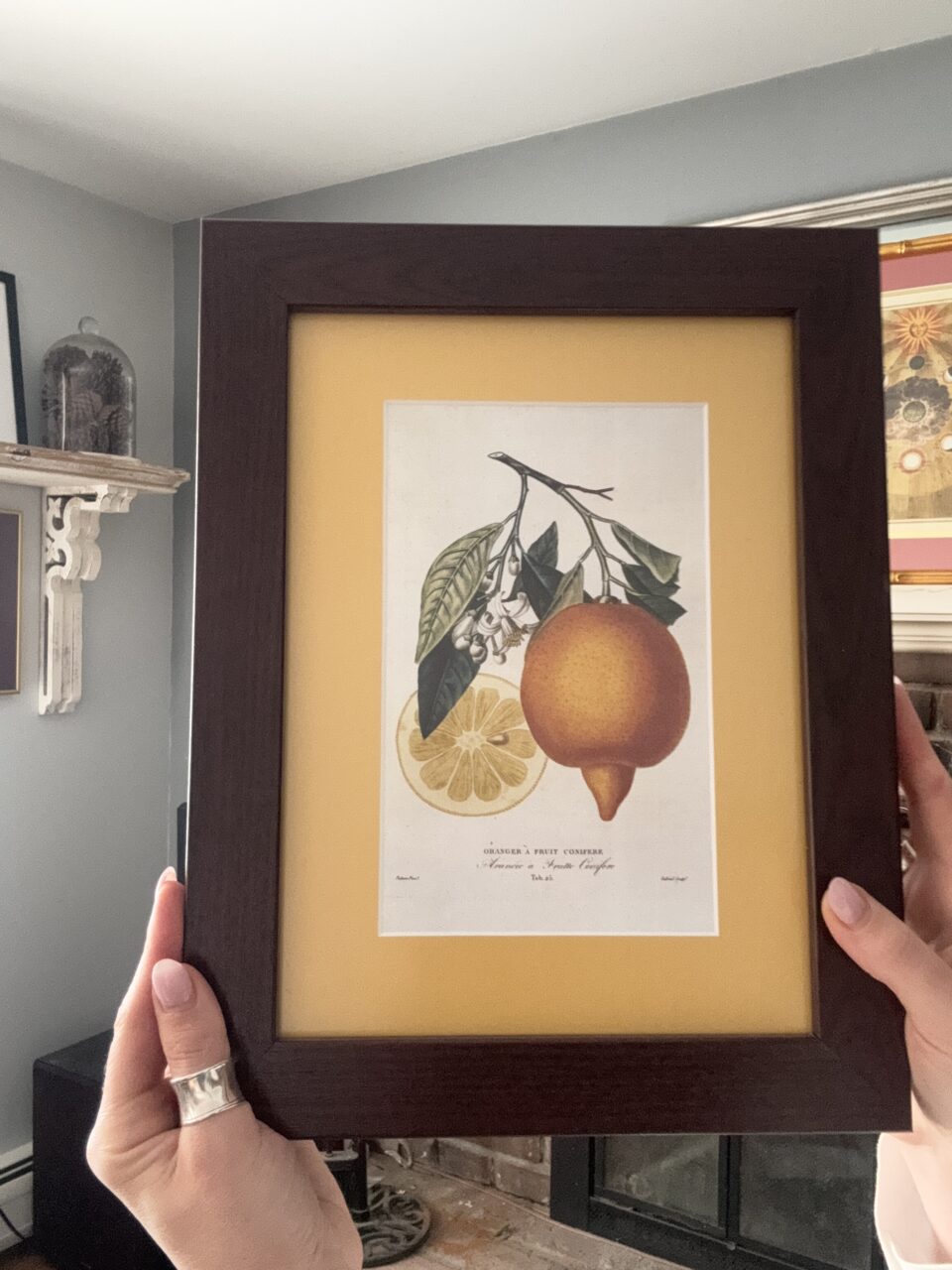

A narrow frame will add less to the total size. A chunkier frame will add more.
So two frames that both fit 8″ x 10″ art can end up with very different outside dimensions depending on the style.
That’s why it’s always smart to check the finished size before you hang, style, or try to squeeze something into a very specific nook.
Matboards Change the Final Size
If you’re adding a matboard, the overall size gets bigger before the frame moulding is even added.
The key thing to know is this: Mat width is visible on all four sides. So if you choose a 2″ mat, that means:
2″ on the left + 2″ on the right + 2″ on the top + 2″ on the bottom
That adds 4 total inches to the width and 4 total inches to the height.
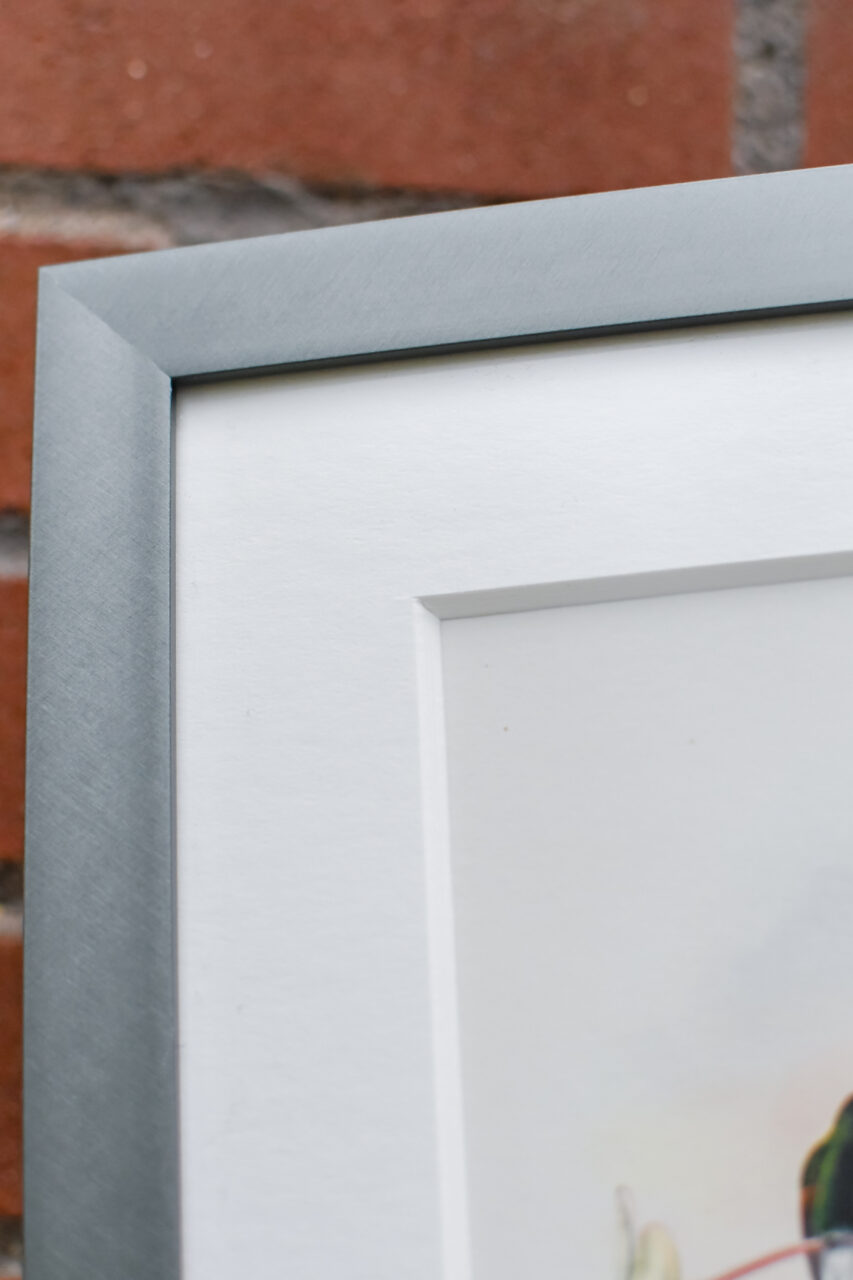
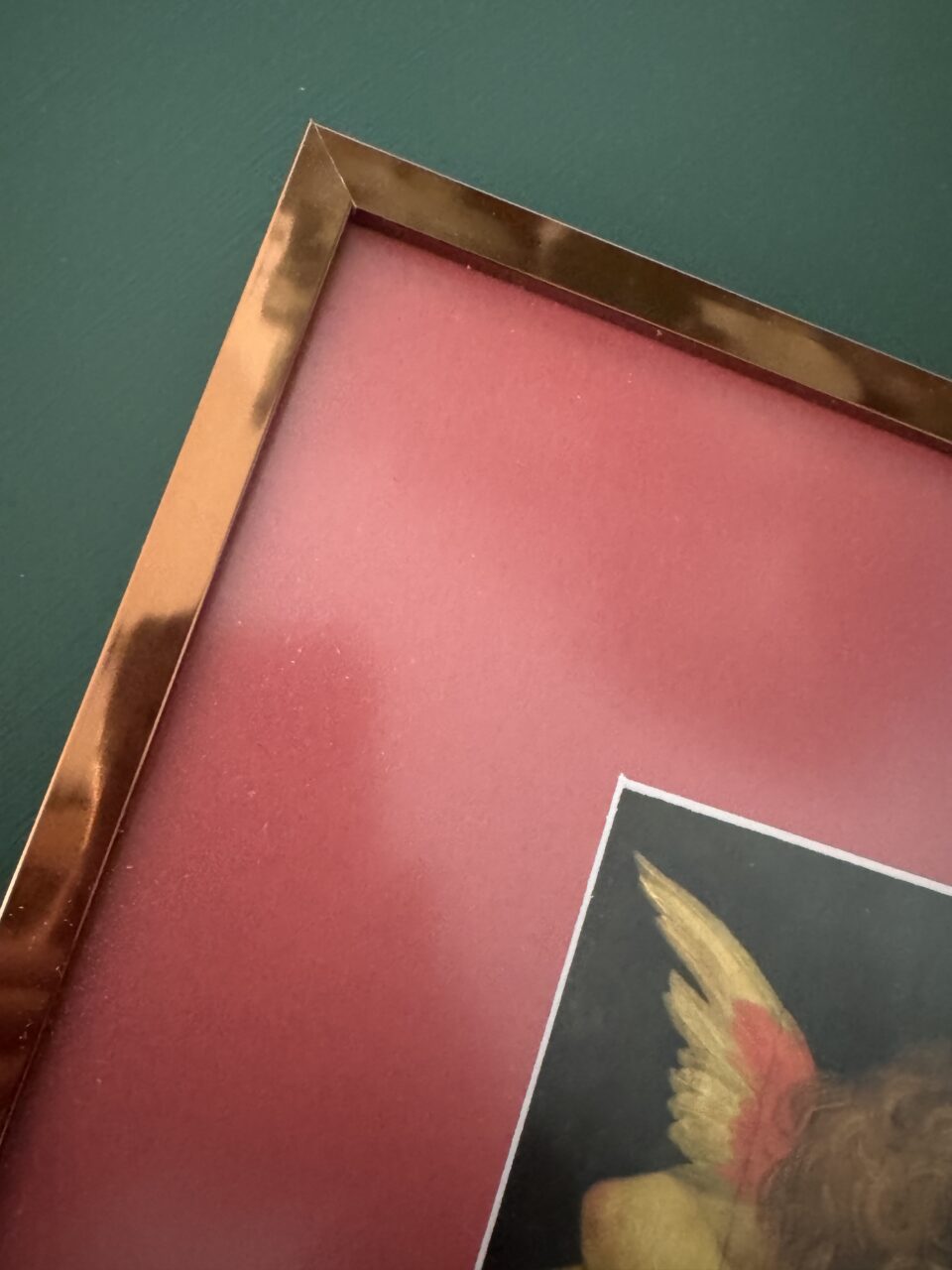
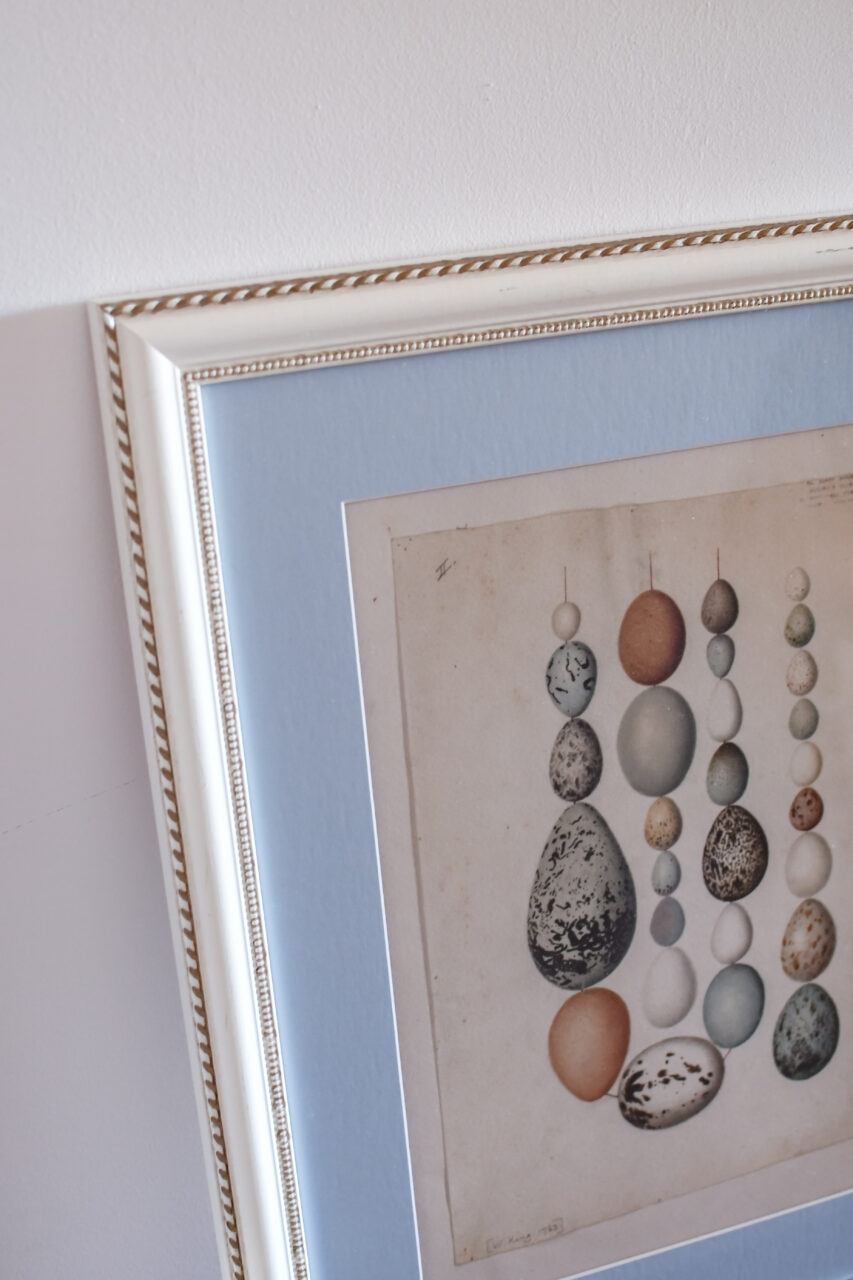
So if your art is 8″ x 10″ and you add a 2″ mat, the matted size becomes: 12″ x 14″ And then the frame itself adds even more to the final outside dimensions, as we discussed earlier.
This is why matboards can make a piece feel much larger and more elevated than the art size alone would suggest. Tiny print, big presence. We love that.
How to Measure a Matboard for a Frame
If you’re replacing or planning around a matboard, there are really two measurements to think about:
- the opening size (the part that reveals the art)
- the outer size of the matboard (the part that fits inside the frame)
The outer size of the matboard usually needs to match the inside dimensions of the frame. The opening size depends on how much of the art you want to show.
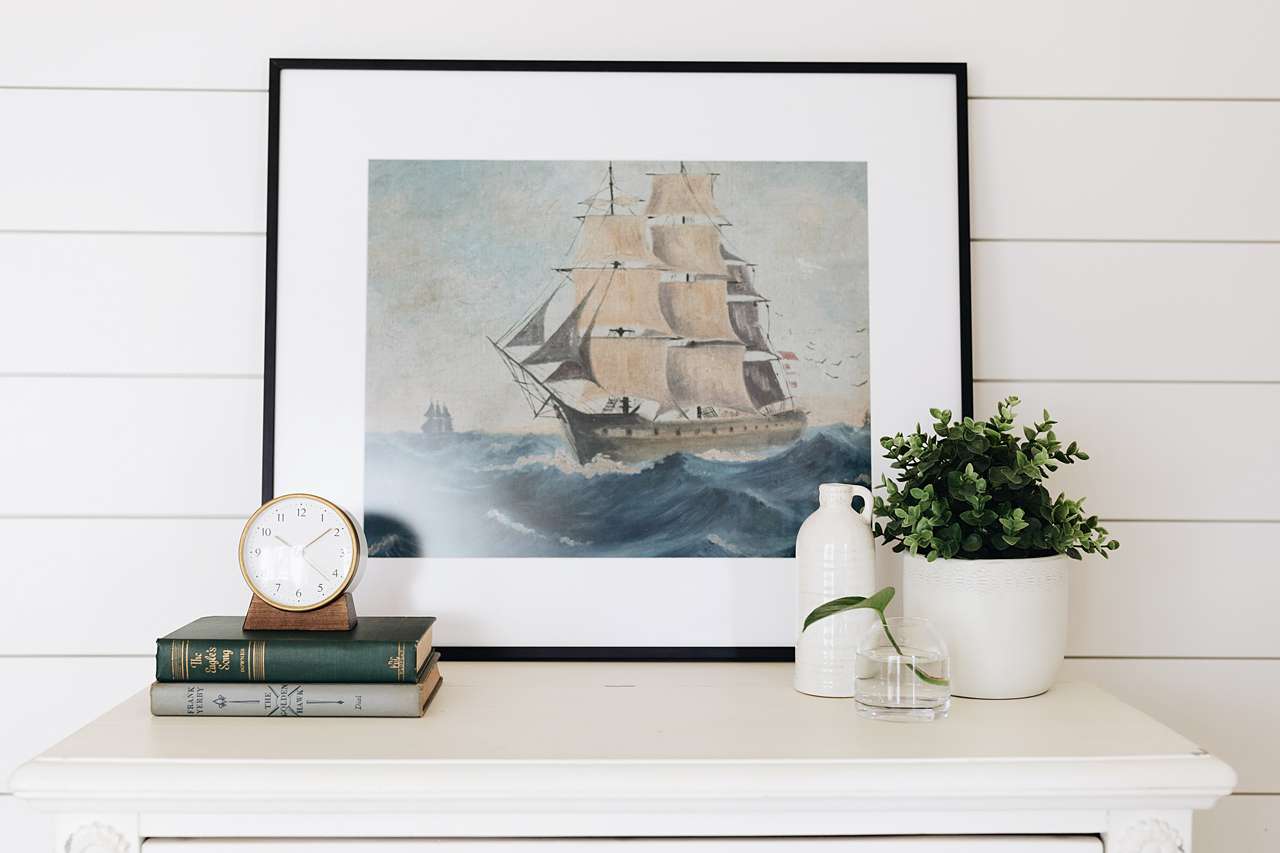
In most cases, the opening is slightly smaller than the artwork so the mat can overlap the edges just enough to hold everything in place and keep it looking clean. We call this the 1/4″ overlap. Lots of info on that has already been covered.
So if you’re measuring a matboard, don’t just think about the hole in the middle. The outer edge matters just as much.
Measuring a Frame for Replacement Cover
If you’re replacing the clear acrylic cover in an existing frame, don’t measure the outside edges. Instead, measure the inside dimensions where the acrylic will sit.
That usually means measuring the inner area of the frame opening or the space inside the rabbet (the recessed channel inside the frame).
If you’re ever between sizes, precision matters here more than optimism.
If the frame is older, handmade, or a little wonky, measure carefully and double-check your numbers. Older frames are not always perfectly square, and “close enough” can become “why won’t this fit” in about three seconds.
Don’t Forget About Frame Depth
Width and height get all the attention, but sometimes depth matters too.
If you’re framing something flat, like a photo or poster, standard depth is usually no big deal.
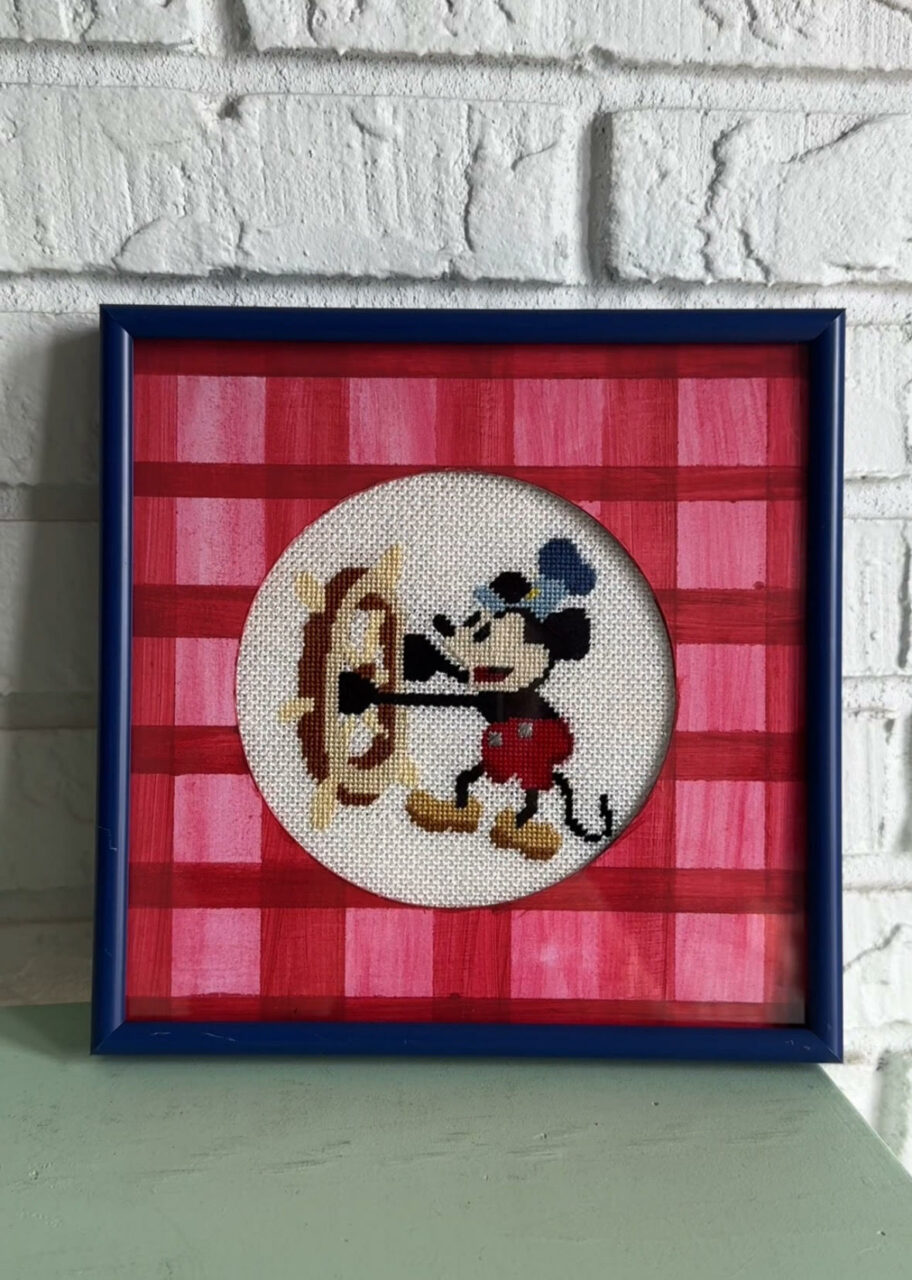


But if you’re framing something thicker, like:
- layered paper art
- textiles
- memorabilia
- dimensional artwork
you’ll want to pay attention to the frame depth (sometimes called the rabbet depth).
This is the amount of space inside the frame that holds your art, matboard, cover, and backing. A frame can be the perfect width and height and still be too shallow. Rude, honestly. So if your project has any thickness to it, make sure you’re checking depth too.
Common Mistakes When Measuring
Most frame measuring mistakes come down to one thing: measuring the wrong part. A lot of people measure the outside of an existing frame when what they really need is the size of the art that fits inside it.
Another common mistake is forgetting that matboard width applies to all four sides, not just one. A 2″ mat doesn’t make your frame 2″ bigger overall—it makes it 4″ bigger in both directions.
And finally, people often assume their art is a standard size without actually measuring it. Don’t trust it! Measure it!
The safest move is always to measure the actual piece first, then work outward from there.
The Easiest Way to Think About Measurements
If you’re ever unsure what to measure, ask yourself this: Am I measuring for the art, or am I measuring for the finished frame?
- If you’re framing art, start with the art size
- If you’re planning wall space, use the outside dimensions
- If you’re adding a matboard, remember the mat width is added on all four sides
- If your piece is thick, check the frame depth
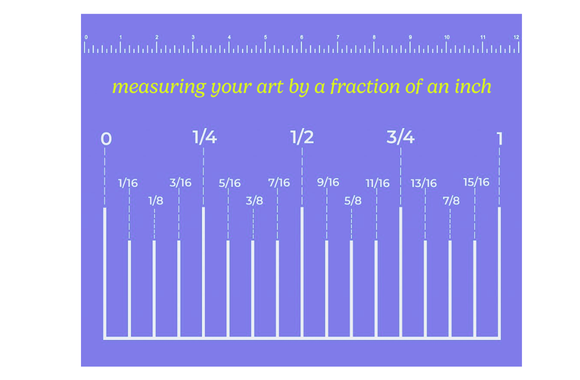
Once you know which measurement matters for your project, the rest becomes much easier.
Final Thoughts
Picture frame measurements don’t have to be confusing, but they do need to be specific.
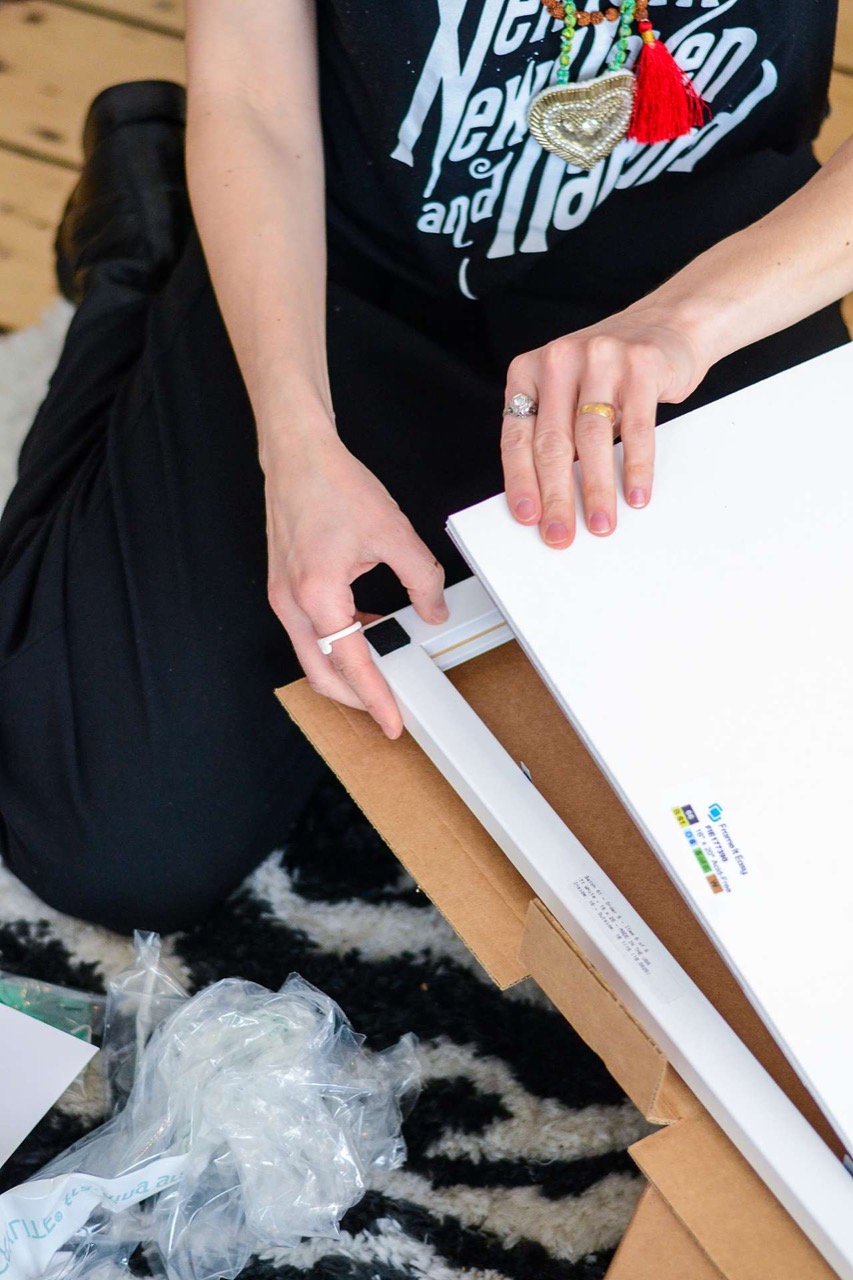
The size of the art, the inside frame dimensions, the outside size, the matboard, and the frame depth all play different roles. The trick is knowing which one applies to what you’re trying to do.
If you’re ordering a custom frame, always start with the artwork itself. If you’re styling a wall or planning a gallery layout, pay attention to the finished outside size. And if you’re adding a matboard, remember that a little border can make a surprisingly big difference.
Measure the right part, and everything gets easier from there.
Ready to get started?