Framing tape and mounting adhesive might not be the most glamorous part of custom framing, but they’re some of the most important. The right framing tape keeps your artwork secure, prevents shifting inside the frame, and protects prints and photos from long-term damage. Whether you’re hanging fine art, mounting a poster, or sealing the back of a finished frame, choosing archival, acid-free materials makes all the difference. In this guide, we’ll walk through the types of framing tape and mounting adhesives available, when to use each one, and how to protect your artwork the right way.
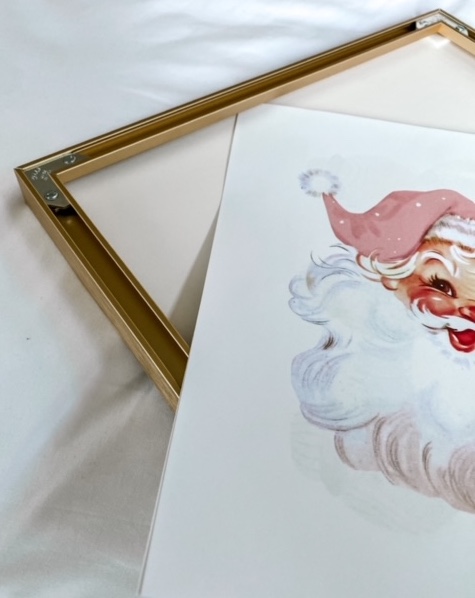
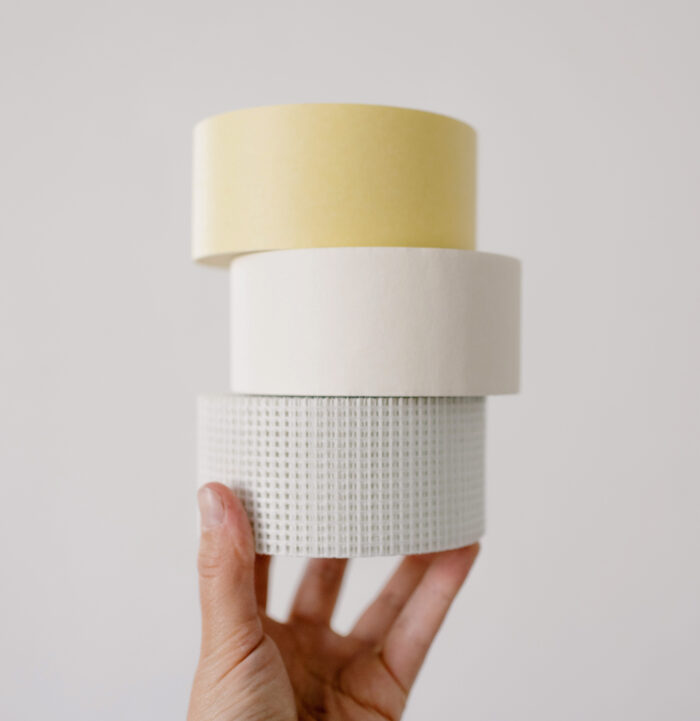
What is framing tape and mounting adhesive?
These two different (yet similar) materials are used in picture framing to secure photos, artwork, and other materials to a frame or mat board. They come in a wide variety of types, sizes, strengths, and textures to suit the different needs and preferences of each framer, environment, or item being framed.
What are the benefits of using them?
While answers can vary, the most common benefits of using framing tape or adhesive are convenience, ease of use, and the ability to create a crisp and clean professional-looking finish product (without breaking the bank at a custom framing shop!💰)
What is the best tape for picture framing?
The best tape for picture framing is acid-free, archival-quality framing tape. Archival tape prevents yellowing, adhesive breakdown, and long-term damage to artwork or photos. For most paper-based art, archival hinging tape is the safest choice.
Framing Tape & Mounting Adhesive Types
Double-Sided Tape
Many of us are pretty familiar with this tape, it’s the same kind we all wrap presents with, seal envelopes with, and use in common crafting projects. Also called “scotch tape”, it can be used to secure lightweight items like paper or photos. We don’t recommend using long-term, as this tape contains acid and can cause your art to break down over time.
Learn more about the most critical factors to consider when framing: acidic farming materials.
Framer’s Tape
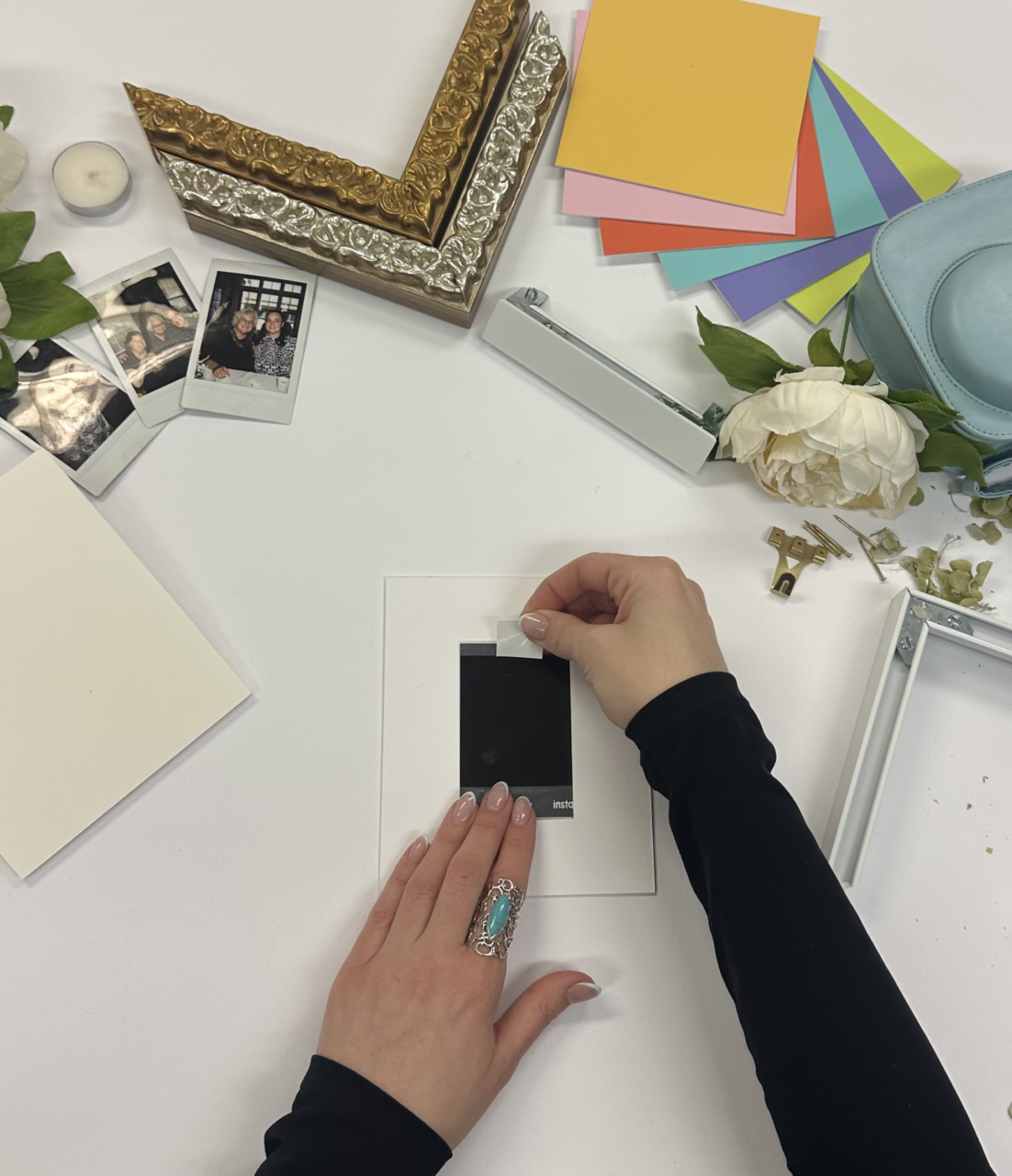
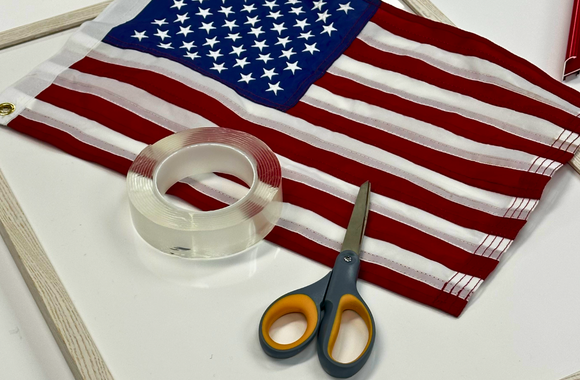
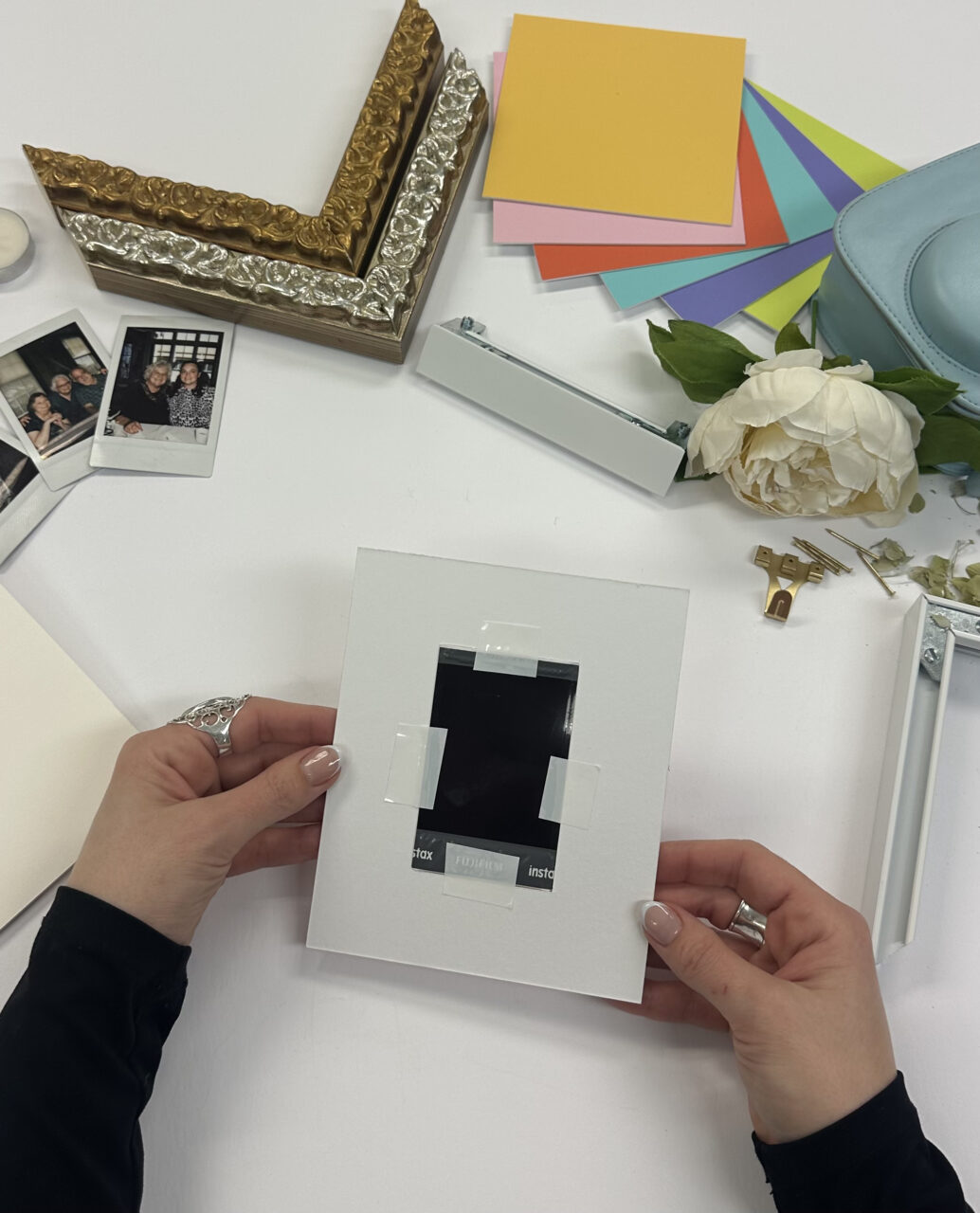
Framing tape or Framer’s tape is much more “tacky” tape than artist’s tape or masking tape – It’s stronger and thinner than linen or paper-based tapes. Bonus: It won’t harm your artwork or mat boards so it’s a great choice for conservation mounting.
Our framer’s tape is archival-grade, moisture-proof, and has a non-porous film backing. It’s a long-lasting tape that can be easily and cleanly removed from most surfaces with little to no heat.
Mounting Tape or Artist’s Tape
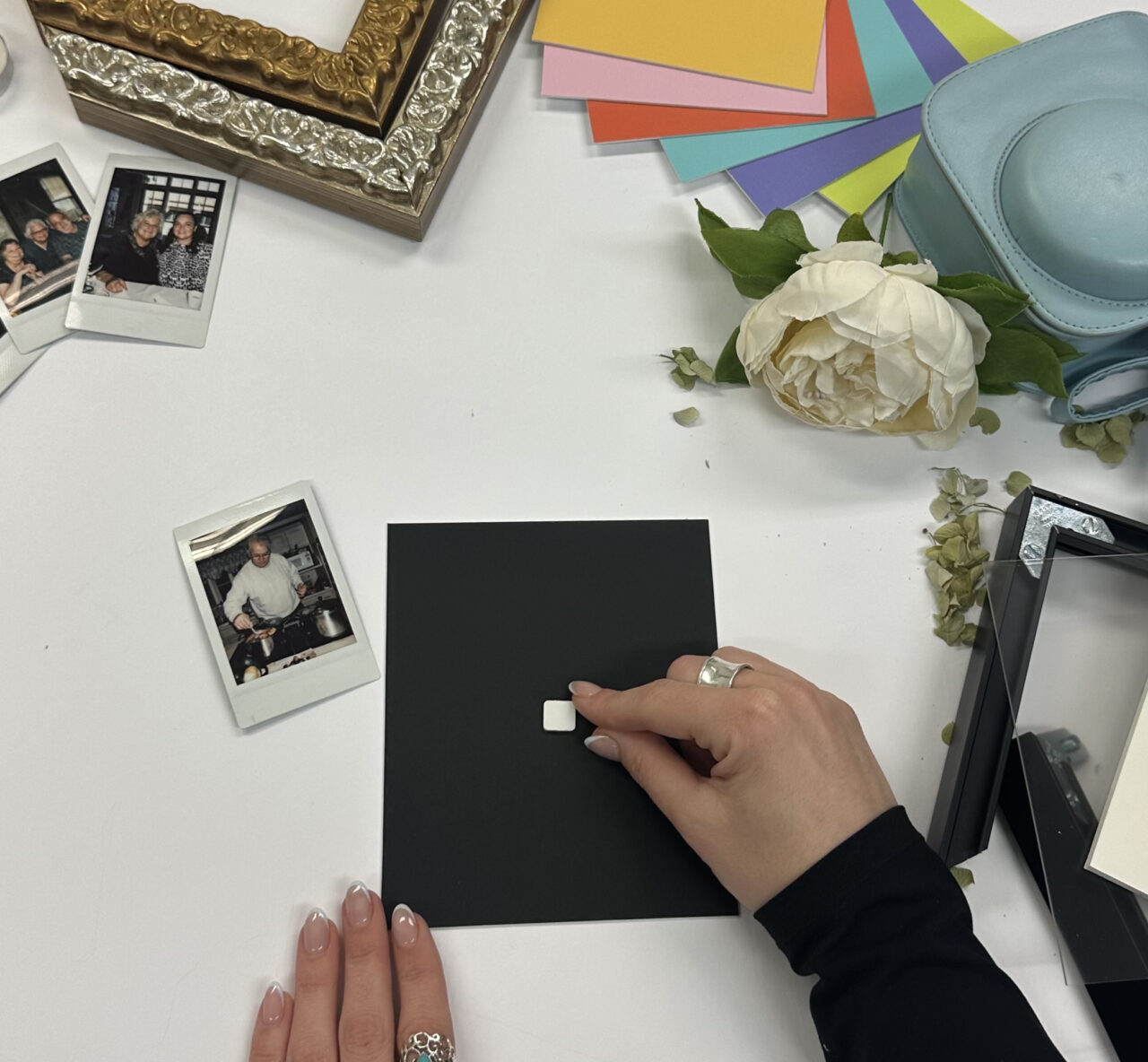
Similar to double-sided tape, mounting tape is a bit thicker and stronger. This makes it a much more suitable choice for securing heavy items like canvas or poster prints. Unlike scotch tape, it comes in a variety of widths and lengths. It’s important to note that mounting tape can sometimes be referred to as “artist’s tape”.
Spray Adhesive
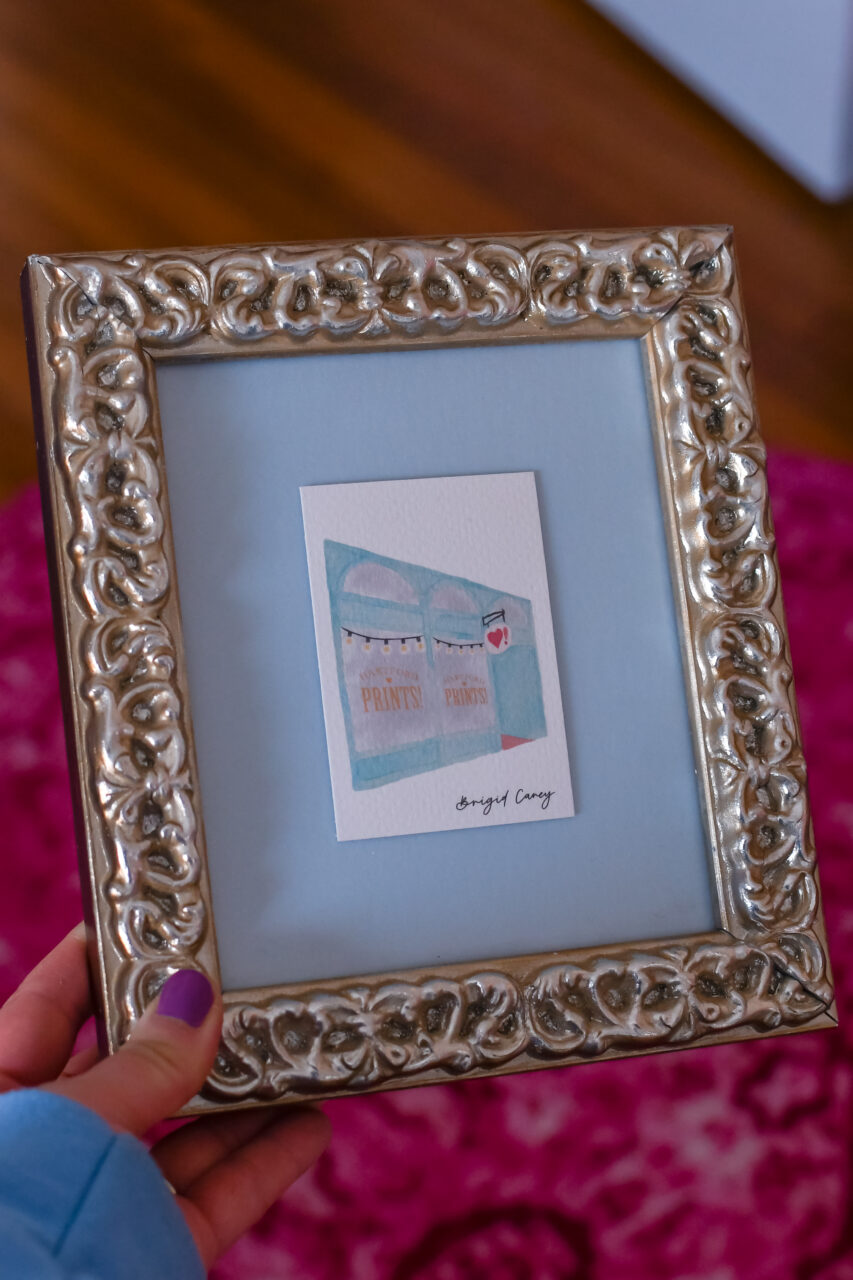
This adhesive comes in an aerosol can and sprays out a clean, permanent bond between two surfaces. It’s perfect for mounting flimsy artwork flat to foam boards for more structure. Also known as “Poster Spray”, be wary that it does come with a certain smell. 👃
Foam Framing Tape
Similar to the framer’s tape (framing tape) we talked about earlier, this tape is thicker and adds a bit of cushioning and support. It’s ideal for float mounting lightweight works like paper art or photos; it makes them appear “fuller” with the extra cushion.
Starch-Based Adhesive
If you’ve heard of the product “Mod Podge,” then you’re on the right track! Like its sister, Mod Podge, starch-based adhesives are great for paper projects, and its acid-free. One caveat is that it dries rather slowly.
It’s often used in hinging artwork to matboards or mounting paper, so adjustments can easily be made during drying time.
Looking for a starch-based adhesive? We recommend using Nori Paste.
Transfer Tape
Most commonly used for transferring vinyl or laser-cut graphics from one surface to another. If you’re looking to jazz up your acrylic cover with some vinyl graphics – this tape is the way to go!
Polyvinyl Acetate (PVA)
Looking to bond heavy art made with materials like cardboard, wood, or other porous mediums? PVA might be the way to go. Commonly known as “wood glue” or “white glue”, this stuff is tough but may take up to 24 hours to dry.
Heat-Activated Tape
Looking to frame a sports jersey, vintage kerchief, or other fabric? A heat-activated tape or adhesive might be for you. Using a low heat setting on a hair dryer you can successfully attach a fabric to your mount of choice. Just be sure to follow the directions on the package as each adhesive has a different bonding temperature.
If you live in a hot area (Hello, Florida & Arizona! 🥵) or are planning to keep your artwork in a room with lots of sunlight or humidity, it’s best to avoid this method. The hold may come loose due to changes in humidity or temperature.
Water-Activated Tape
A great acid-free paper-based tape. This artwork mounting tape is used for hinging and will support heavy pieces. Activated with water (as the name implies). Usually found with a neutral pH of 8.5, it’s a favorite choice of professional picture framers.
Adhesive Putty
If you’re looking for a temporary hold for a vision board or similar, adhesive putty or “sticky tack” may be the choice for you. This pressure-sensitive adhesive is commonly used for attaching lightweight objects like posters. It’s easily removable and reusable.
Considerations For Choosing the Right Product
Ok, so as you can see, there are a lot of options out there when it comes to framing tape and adhesives! So when you’re looking for the right product for your framing needs, there are a few considerations to keep in mind…
Bond Strength
Think about the weight of the piece you are trying to frame or perhaps bond to a foam core board. Based on that weight, choose a framing tape or adhesive with the appropriate strength.
Temperature Range
Some tapes won’t work well in extreme temperatures (see the heat-activated tape that we mentioned earlier). So consider the temperature and humidity range of where you intend to place your artwork or photo frame.
UV Resistance
If you choose to place your artwork in a sunny spot, select a tape or adhesive that has UV-resistant qualities, if possible. As a bonus mention, we have 3 types of acrylic covers. Only our Conservation Clear Acrylic filter 99% of UV light. Without proper protection, fading may still occur if in direct sunlight. The sun is a powerful blazing fireball 🔥 after all!
Environmentally Friendly
If keeping the Earth clean and safe appeals to you as much as it does to us, then opt for tapes and adhesives that are environmentally friendly, are made from sustainable materials, and are produced by companies that give back to Mother Earth in one way or another.

All this to say…
Thoughtful mounting is what separates a quick fix from a truly professional finish.
Choosing the right framing tape or mounting adhesive may seem like a small detail, but it plays a big role in protecting and presenting your artwork properly. The right framing materials keep your piece secure, prevent shifting, and help preserve prints and photos for years to come.
As you plan your next framing project, remember to:
- Consider the type of artwork, photo, or item you’re framing.
- Choose the appropriate strength and mounting method.
- Use archival, acid-free materials for long-term preservation.
- Account for environmental factors like humidity, temperature, and light exposure.
Ready to frame something you love? Go for it, it’s easy.

And when your piece is complete, show it off! Share your framed artwork and tell us the story behind it — you might even receive a 15% off coupon if we feature your project.
TLDR: Framing Tape & Mounting Adhesives
What is framing tape used for?
Framing tape secures artwork inside a frame, prevents shifting, and protects the back from dust and debris. Archival framing tape helps preserve prints and photos long-term.
What type of tape should I use for framing artwork?
Use acid-free, archival framing tape. This prevents yellowing, residue, and long-term damage. Avoid standard household tape, which can degrade artwork over time.
What is the difference between hinging tape and double-sided tape?
Hinging tape attaches artwork at the top edge, allowing natural movement and reducing stress on the paper. Double-sided archival tape secures artwork flat against a backing board for a more fixed hold.
Can mounting adhesive damage artwork?
Yes — if it is not archival-safe. Non-archival adhesives may cause discoloration or permanent bonding. Always choose acid-free mounting adhesives for preservation.
How do I mount artwork without damaging it?
Use archival hinging tape, photo corners, or acid-free mounting boards. These methods secure artwork while keeping it removable and protected.
Should artwork be mounted before matting?
Yes. Mounting artwork before adding a mat board keeps it aligned and secure. The mat then adds protection and visual spacing.
Is framing tape necessary?
Framing tape is recommended to prevent shifting and dust buildup. For preservation framing, archival tape is considered best practice.