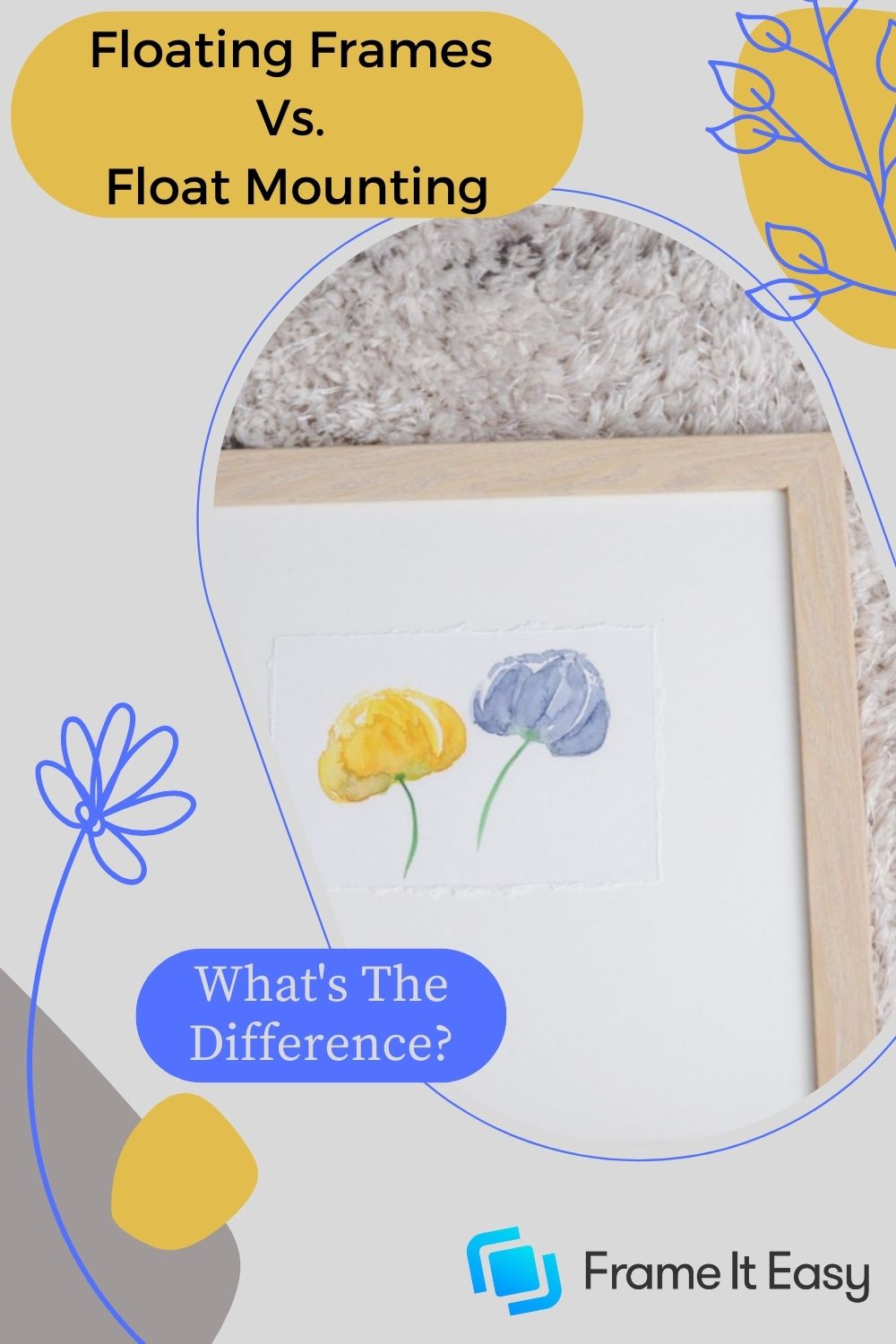
Floating frames and float mounting – These are the same things, right? Nope! Many of us make this mistake since they both have “float” in their names. While they are different, they both give the appearance that the artwork inside the frame is floating!
In this article, we’ll give you a complete list of the differences between float frames and float mounting, when to use them, what to display, and how to hang them!


Floating Frames vs Floater Frames
What is a floater frame?
A floating frame, or floater frame, is designed for stretched canvas artwork and creates the appearance that the canvas is “floating” inside the frame with no edges covered. This style highlights artwork that extends to the edges, ensuring no details are hidden, and can be made from wood or metal. Clips on the back hold the canvas securely in place, making assembly quick and easy while maintaining a polished, gallery-style display.

What is a floating frame?
Unlike a traditional floater frame, this style is specifically designed for photographs and flat paper prints. It resembles a standard picture frame, but instead of a foam-core backing, it uses a second pane of acrylic or glass. You can also add an uncut mat behind the photo to create a colored or textured backdrop. Rather than using back flexitabs, the two panes are secured together with latches, keeping the artwork safely in place while maintaining a clean, modern look.
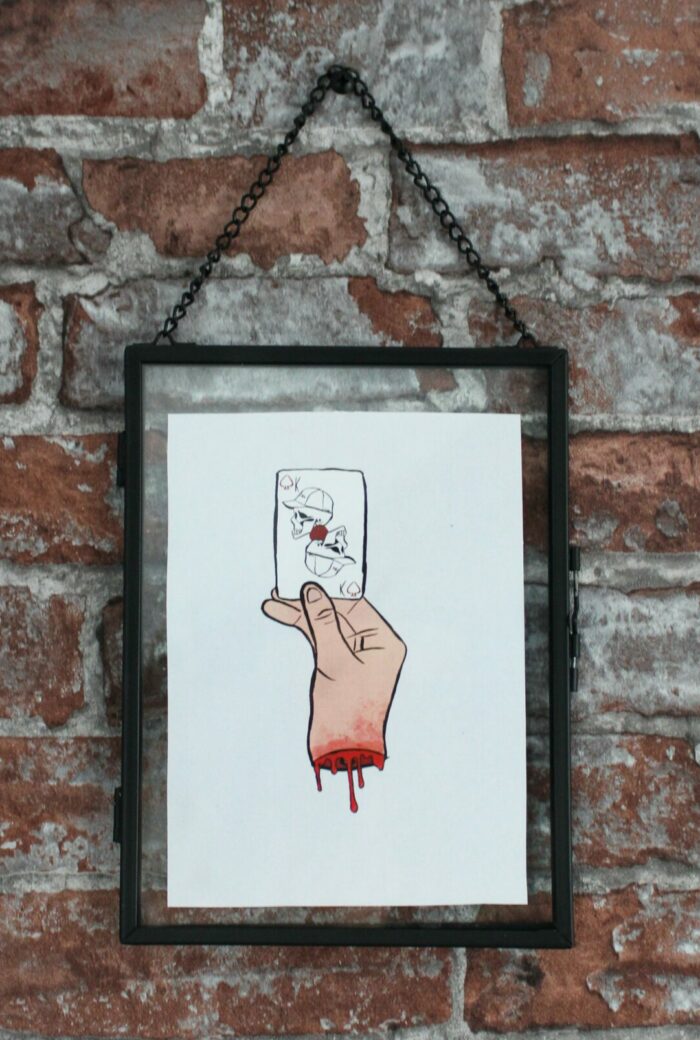
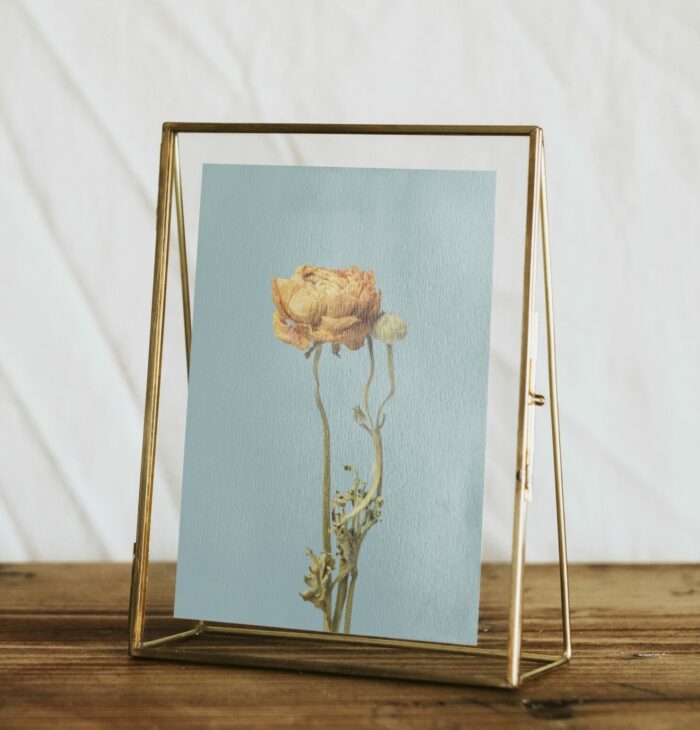
Hot Tip: Is your artwork moving around? Having a hard time securing it? Try using a small piece of double-sided tape (we recommend our framers’ hinging tape) to lock your piece in place!
When should/can I use a floating frame/floater frame?
Traditional
- If you have canvas artwork, you’re going to want to go this route! Think about the edges of your artwork – Are there any fine details, textures, or highlights? If yes, then show ’em off without losing any details to matting!
- Entering into an art showcase? give potential buyers a look at what your framed piece could look like in their homes and get a head start on the competition!
- Modern vs. classic. Have a modern or contemporary work? Modern pieces fit well stylistically with a floater frame. Consider a more ornate style frame for classical pieces!
Non-traditional
- Think about how much free space you want to show between the edges of your artwork and the sides of the frame. If you’re going for a big “white space” (or in this case, clear space) We recommend leaving at least 11/2” around each edge for maximum floating style impact! Keep in mind that if the size of your frame matches the size of your picture – you won’t get that desired floating effect!
- Small-scale polaroids and photos. If you have a Polaroid, card, or art piece with a big meaning or memory, take up some space with a non-traditional floater frame. Have artwork smaller than 5″x5″? Check out another fun option for framing small art.
What can I display with a floating frame/floater frame?
Traditional
- Stretched canvas works
- Gallery acrylic and glass works
Non-traditional
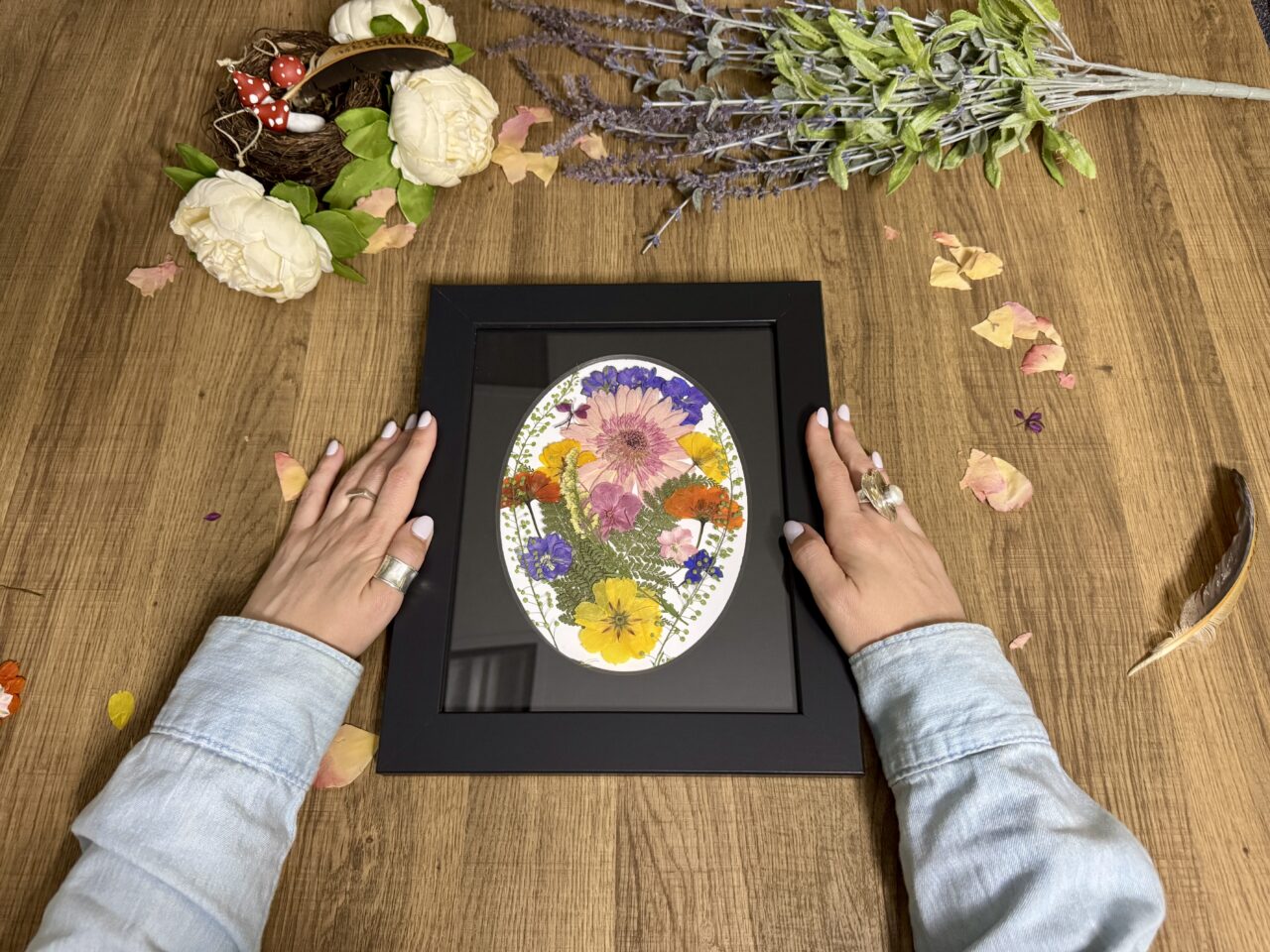
- Pressed flowers & plants
- Polaroids and photos
- Delicate paper artworks
- Cards and letters
Float Mounting Your Art
How is float mounting different from traditional matting?
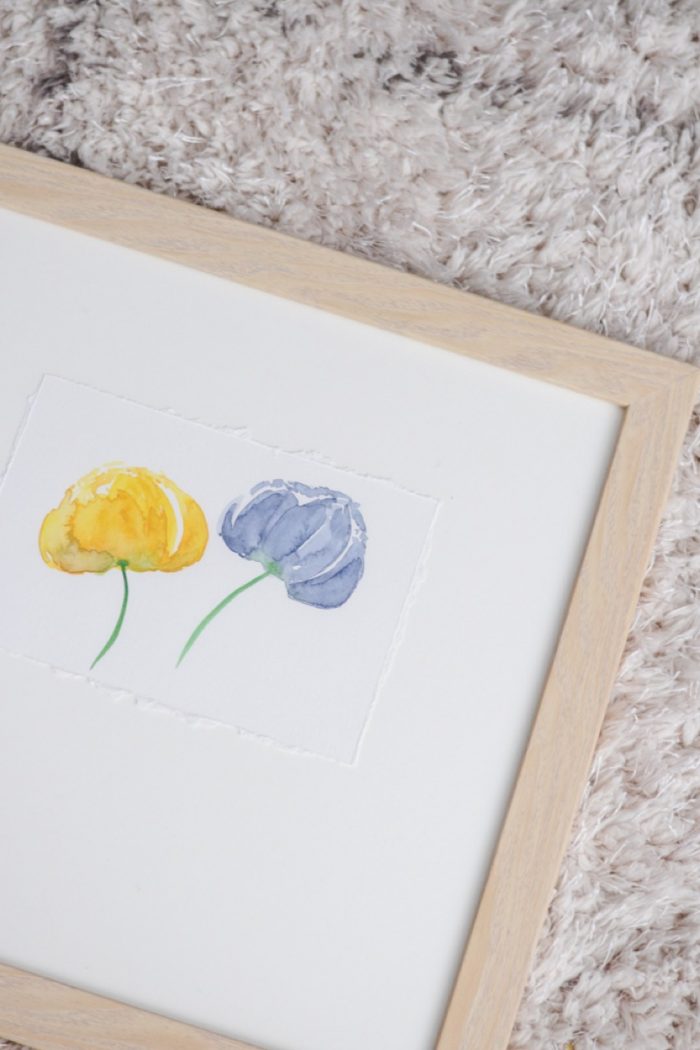
With traditional matting, a window cutout covers part of the artwork edge, while float mounting leaves all edges exposed. This gives the piece more depth and dimension, and highlights details that would otherwise be covered by a mat.
Can any artwork be float mounted?
Yes — photographs, prints, paintings on paper or textured pieces can all be float mounted, especially work where the edges are part of the visual appeal. For archival safety, use acid-free hinging tape or archival mounting materials when possible.
Because this process relies on adhesives and mounting tape, it is not considered archival in most cases. Use float mounting when you want to showcase the full edges of your artwork or create a visually striking display, while keeping in mind that it’s ideal for pieces that aren’t irreplaceable.
There are a few different methods on how to float mount:
- T-hinge mounting – T-shaped hinges should be around 11/2” and 13/4″ wide. The T-hinge allows the artwork to breathe in the frame, and if dropped (heaven forbid), the artwork is less likely to be damaged. Learn how to make T-hinge mounts.
- H-hinge mounting – Our favorite method and a secure and easy way to float your art! Learn how to make H-hinge mounts.
- V-hinge mounting – Perhaps the simplest hinge method and beginner-friendly!
- S-hinge mounting, pass-through hinge, or concealed pendant hinge – Slits are cut in the backing foam board to allow the hinges to slide in and attach to the back.
- Z-tack hinge or Pedestal hinge mounting – Allows for artwork to be mounted on a raised platform like a foam backboard.
Check out our more in-depth article on how to make a floating frame!
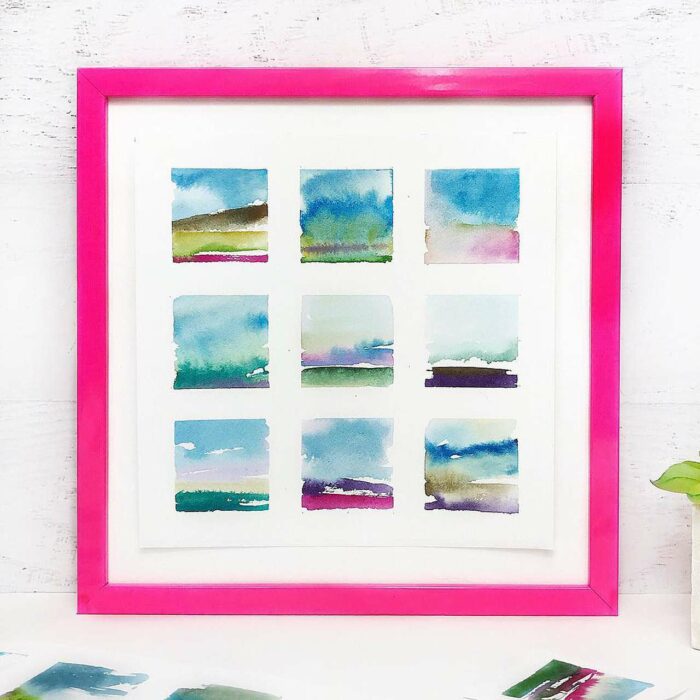
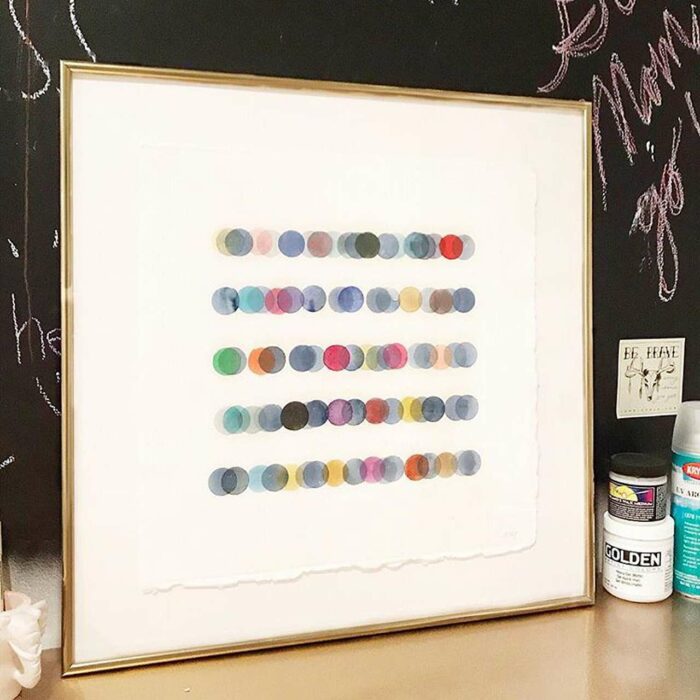
Floating Tapes, Materials That Matter
Rice paper tape, linen tape, archival tape, and framers tape are all commonly used for float mounting. For the easiest and quickest installation, we recommend our acid-free framers tape. Just stick, place artwork, and frame – Easy! (Just be sure to stay away from spray adhesives!)
If you’re looking to float a one-of-a-kind piece (while we don’t advise this!) it’s best to choose rice paper or archival tape. A bit harder to find, rice paper is made from natural strong fibers and isn’t acidic so it’s perfect for more delicate works. However, this rice hinge-type tape is harder to remove unlike framers or archival tape!
If you’re concerned about the acidity or pH levels of some commercial tapes, check out archival tapes. Easily found in most art supply stores, this tape is self-adhesive, translucent, and is often used in historical art restoration processes – so you know it’s good stuff!
What Can I Display with Float Mounting?
You can float mount photos, paintings, pressed flowers, or any flat artwork you want to showcase. Just remember: float mounting exposes the entire edge of your piece, so be sure you want all edges visible.
How Can I Hang Float-Mounted Artwork?
A properly float-mounted piece can be hung just like any other framed artwork. Make sure your mounting is stable, follow the instructions carefully, and use the appropriate hanging hardware for the weight and size of your frame.
Final Thoughts
So float mounting and float frames are pretty darn different after all! We’re glad we could straighten everything out and possibly inspire you to give one of these a try!
When it comes to these two seemingly similar framing terms, remember:
- Float mounting is a framing technique.
- Float frame and floater frames are a frame type.
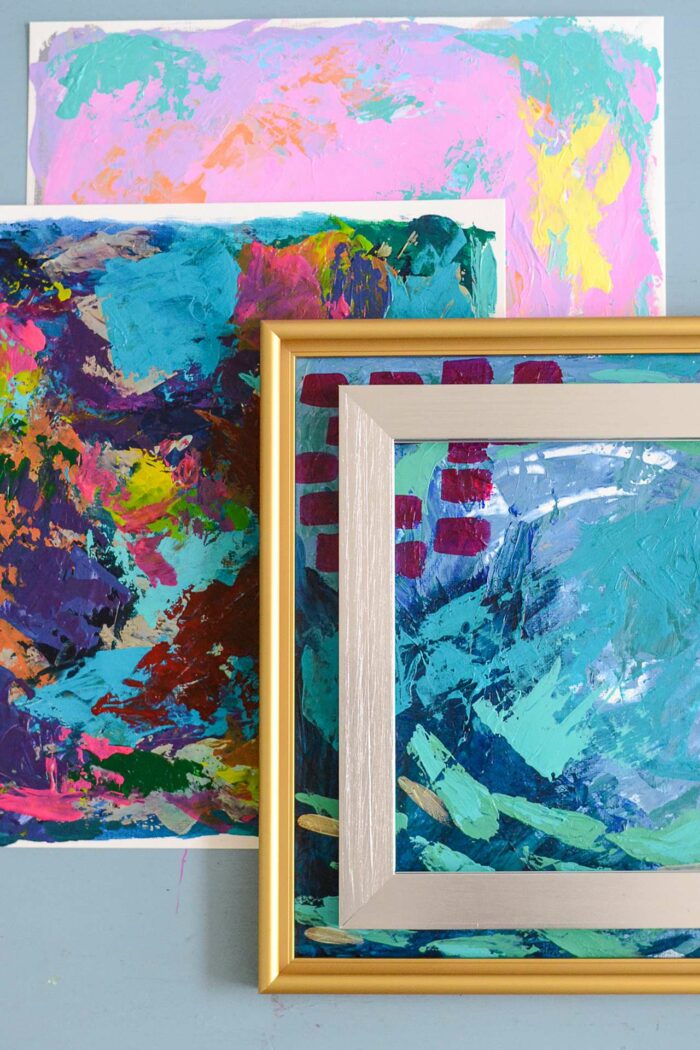
Check out our learning center for more tips and tricks on hanging frames and be sure to reach out to our support team to help you with whatever framing questions you may have!
If you have a float mount to show off, send those photos over to [email protected] with the subject line “Featured Friends” for a chance to be featured! Or hit us up on our socials, use the hashtag #frameiteasy and tag us @frameiteasy.