If you’ve ever wondered how to price art in a way that feels fair, professional, and sustainable, this guide will help you build a simple process you can use again and again.
Pricing your art can feel like one of the hardest parts of being a working artist. Charge too little, and you risk undervaluing your work. Charge too much without a clear strategy, and you may lose confidence when it’s time to sell.
The good news is that art pricing doesn’t have to be a mystery. A strong price should reflect the time, materials, skill, and care that go into your work, while still making sense for your audience and your market.
How to Price Art: Start With a Simple Formula
A good starting point for pricing artwork is to add together your materials, labor, overhead, and profit.
Art Price = Materials + Labor + Overhead + Profit
This formula gives you a practical baseline. From there, you can compare your number to similar artists in your market and make adjustments based on your experience, demand, and the type of work you sell.
There’s no single “perfect” price for every artist, but there should always be a reason behind the number.
Start With the Cost of Materials
Before you can price your art, you need to know what it costs to make it.
This includes more than just the obvious supplies. Depending on your medium, your material costs may include canvas, paper, paint, ink, brushes, varnish, adhesives, packaging, backing boards, protective sleeves, and shipping materials. (At minimum!) If you sell prints, factor in printing costs, paper type, trimming, and any packaging needed to safely deliver the piece. That’s a lot of materials!
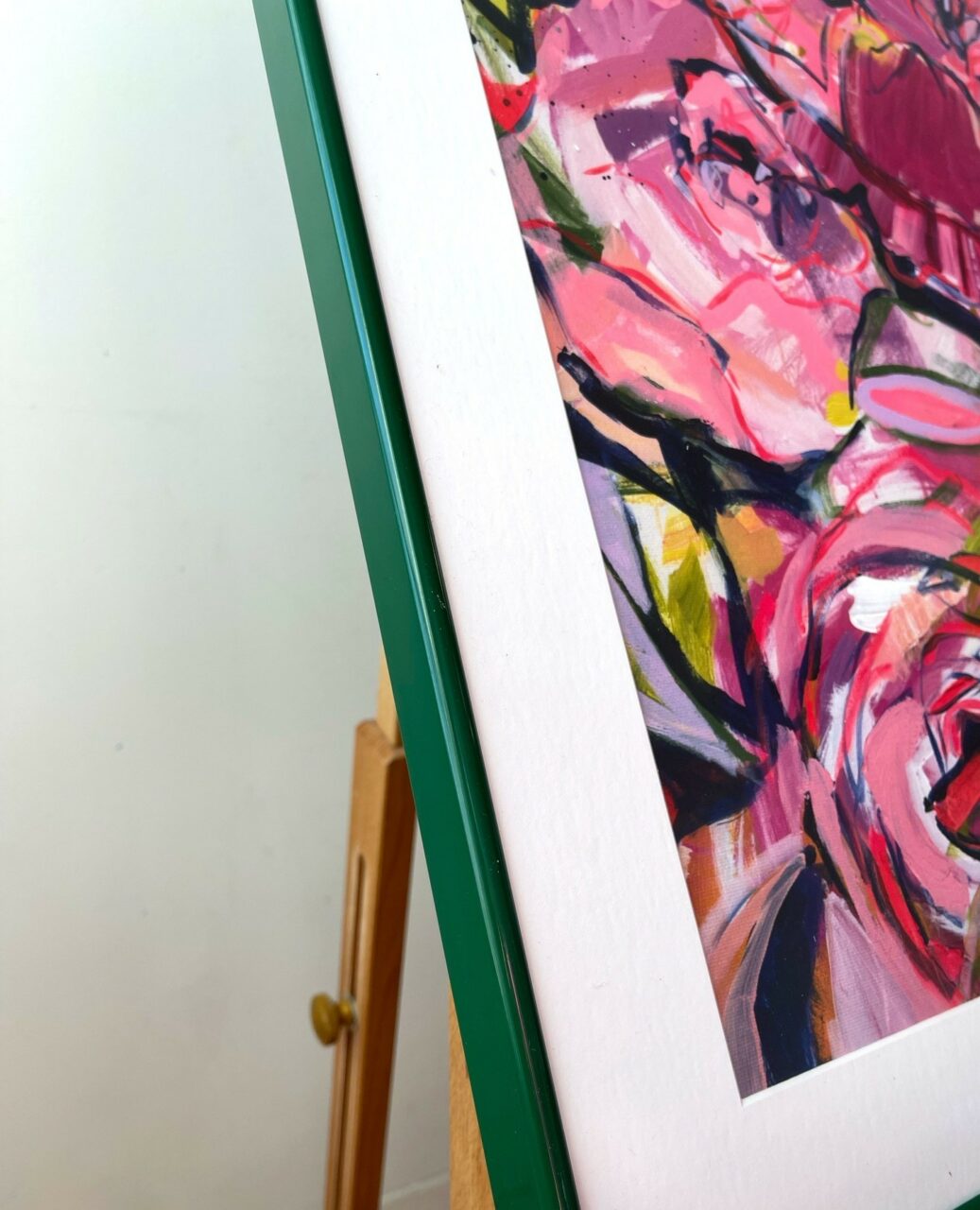
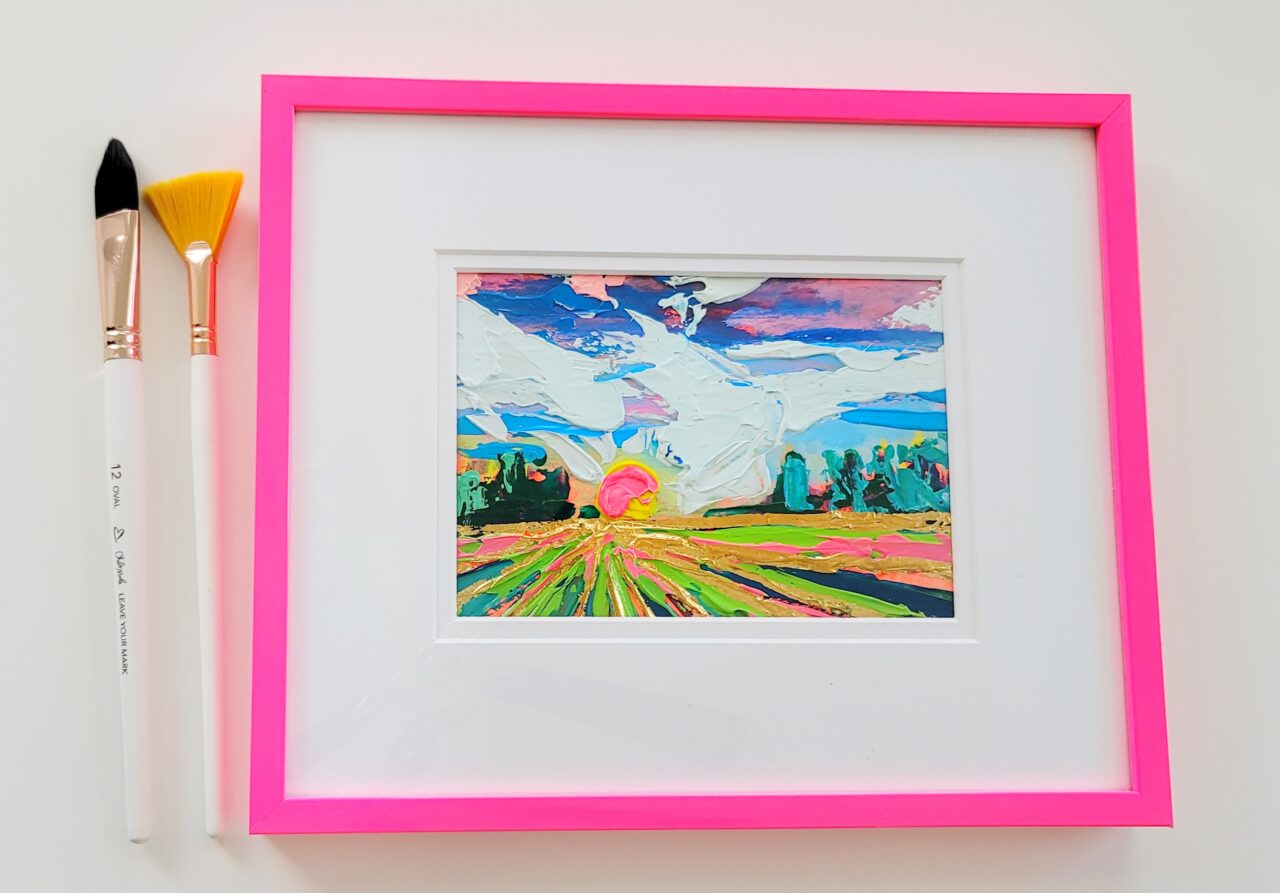
If you offer framed artwork, include the full cost of the frame, matboard, cover material, and any extra packing required to ship it securely.
Many artists accidentally underprice their work simply because they only count the paint or paper and forget the full production cost. Knowing your real costs helps you build a price that supports your business, not just the piece itself.
Pay Yourself for Your Time
Your time is part of the value of your work.
When artists skip this step, they often end up paying everyone except themselves.
Think about how long it takes to create the piece from start to finish, including sketching, prep work, painting, editing, finishing, and packaging. Then assign yourself an hourly rate that feels realistic for your current stage of business.
If you’re newer to selling art, your rate may be lower than a more established artist’s, but it should still reflect skill, effort, and professionalism. The goal is not just to sell one piece. The goal is to build a pricing structure that allows you to keep creating.
If it takes you six hours to complete a piece and your hourly rate is $25, that’s $150 in labor before you even account for materials or overhead.
Don’t Forget Overhead and Business Costs
Your art business has expenses beyond the artwork itself, and those costs should be part of your pricing.
Overhead can include fees for your art website, marketplace commissions, payment processing fees, studio rent, software subscriptions, marketing expenses, printer maintenance, photography, booth fees for art fairs, and shipping supplies.
You don’t need to calculate every expense down to the penny for every single piece, but you should account for the fact that your business costs money to run. Many artists do this by adding a percentage or flat amount to each piece.
This helps create a pricing model that is more sustainable over time and gives you a clearer picture of what you’re actually earning.
Research Similar Artists…Just Don’t Copy Their Prices
Use the market as a reference point, not a rulebook.
Once you’ve built your baseline price, it’s smart to compare your work to what similar artists are charging.
Look at artists who work in a similar medium, size, style, and level of experience. Compare original pieces to originals, prints to prints, and framed work to framed work. Selling a 5×7 print at a local art market is very different from selling a large framed original online.
Research helps you understand what buyers may expect, but it shouldn’t be the only factor in your pricing. Another artist’s price reflects their own audience, demand, overhead, and business model—not yours.
Price Original Art, Art Prints, and Commissions Differently
Not all artwork should be priced the same way.
Original Artwork
Original art is one of a kind, so pricing should reflect the uniqueness of the piece, the time invested, and the value of owning the original. In many cases, original art commands the highest price because there is only one version available. It’s special. 🙂
Larger pieces, more complex work, and highly detailed pieces often justify a higher price because they require more materials and more time.
Art Prints
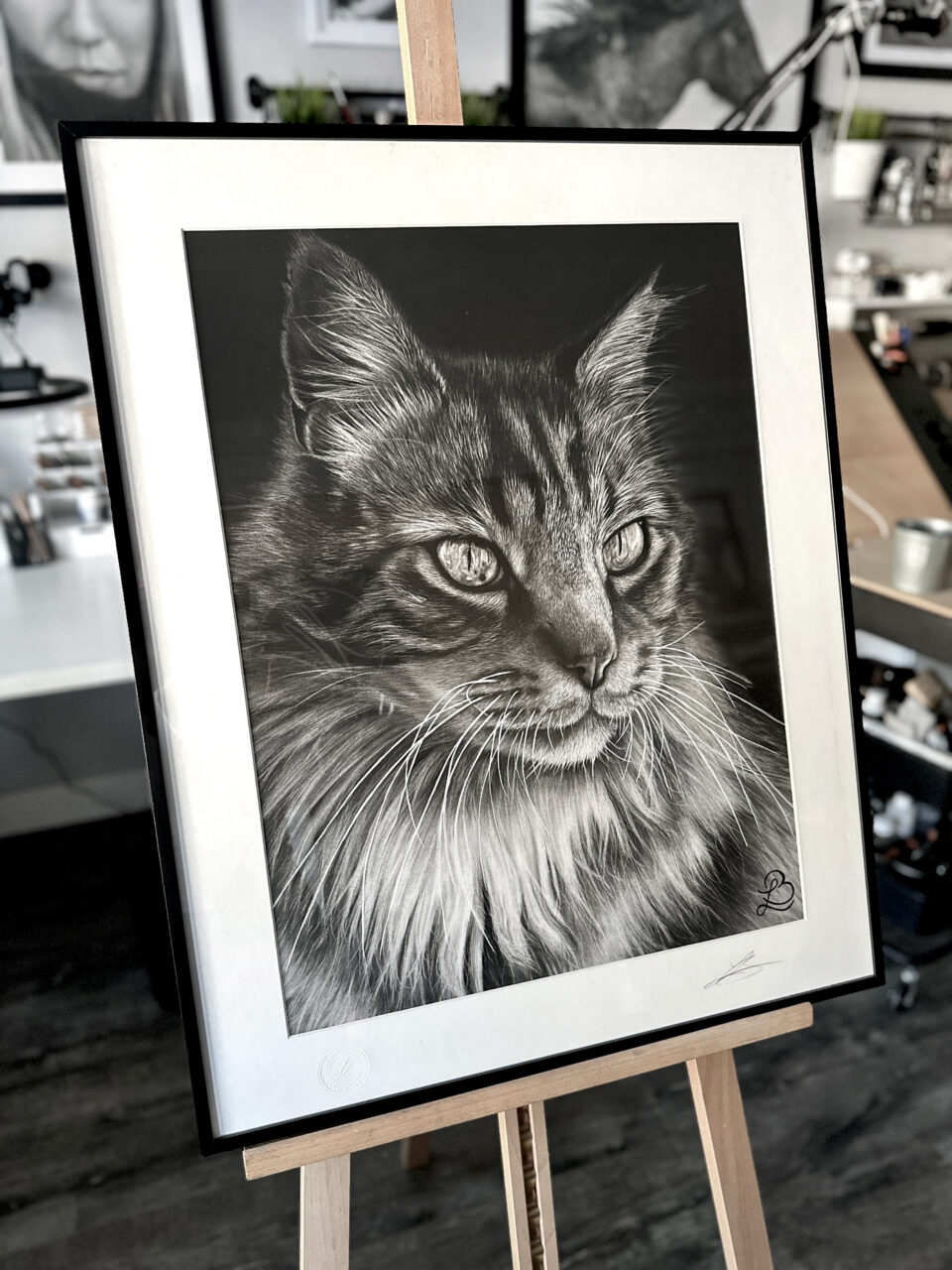
Art prints should be priced differently from originals because they are reproducible. Even though the price is lower, prints still need to cover production, packaging, selling fees, and profit.
When pricing art prints, think about the full cost of printing and presentation. Premium paper, custom sizing, and framed print options can all increase perceived value and support a stronger retail price.
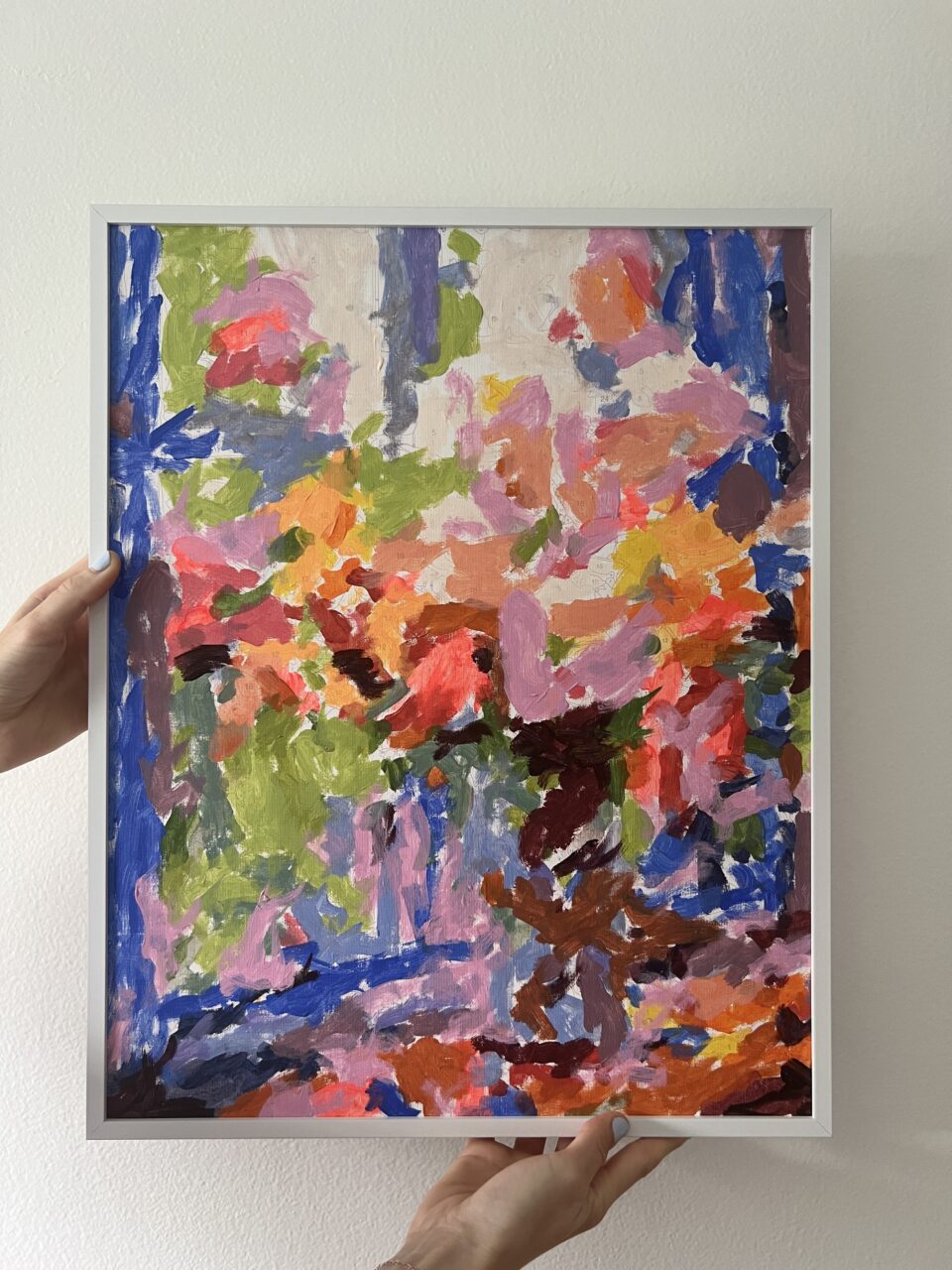
Commissions
Commissions often require more communication, revisions, and emotional labor than ready-made artwork. That extra time matters.
A commissioned piece should account for materials, labor, planning, revisions, and any customization that makes it more involved than your standard workflow. Many artists charge more for commissions than for comparable ready-to-sell work, and that’s often the right call.
Why You Shouldn’t Undersell Your Art
It can be tempting to lower your prices when you’re just starting out or trying to make a sale. But pricing too low can create bigger problems later.
Low prices can make your work seem less valuable, even when the quality is high. They can also make it harder to raise your prices in the future, especially if returning buyers are used to paying less.
Most importantly, underpricing makes it harder to run a sustainable creative business. If your prices don’t cover your time, costs, and business expenses, it becomes difficult to keep going long term.
Fair pricing is not about being expensive. It’s about building a structure that respects your work and supports your growth.
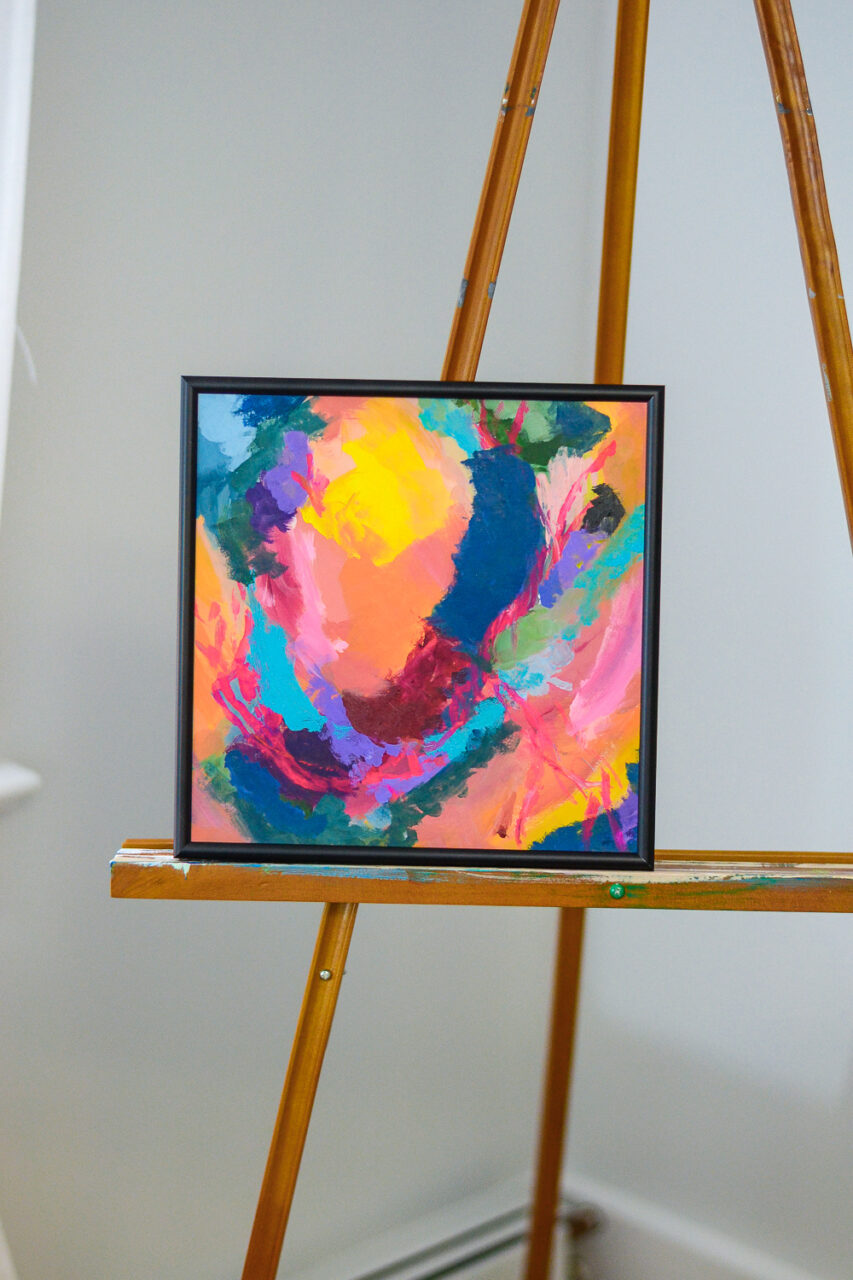
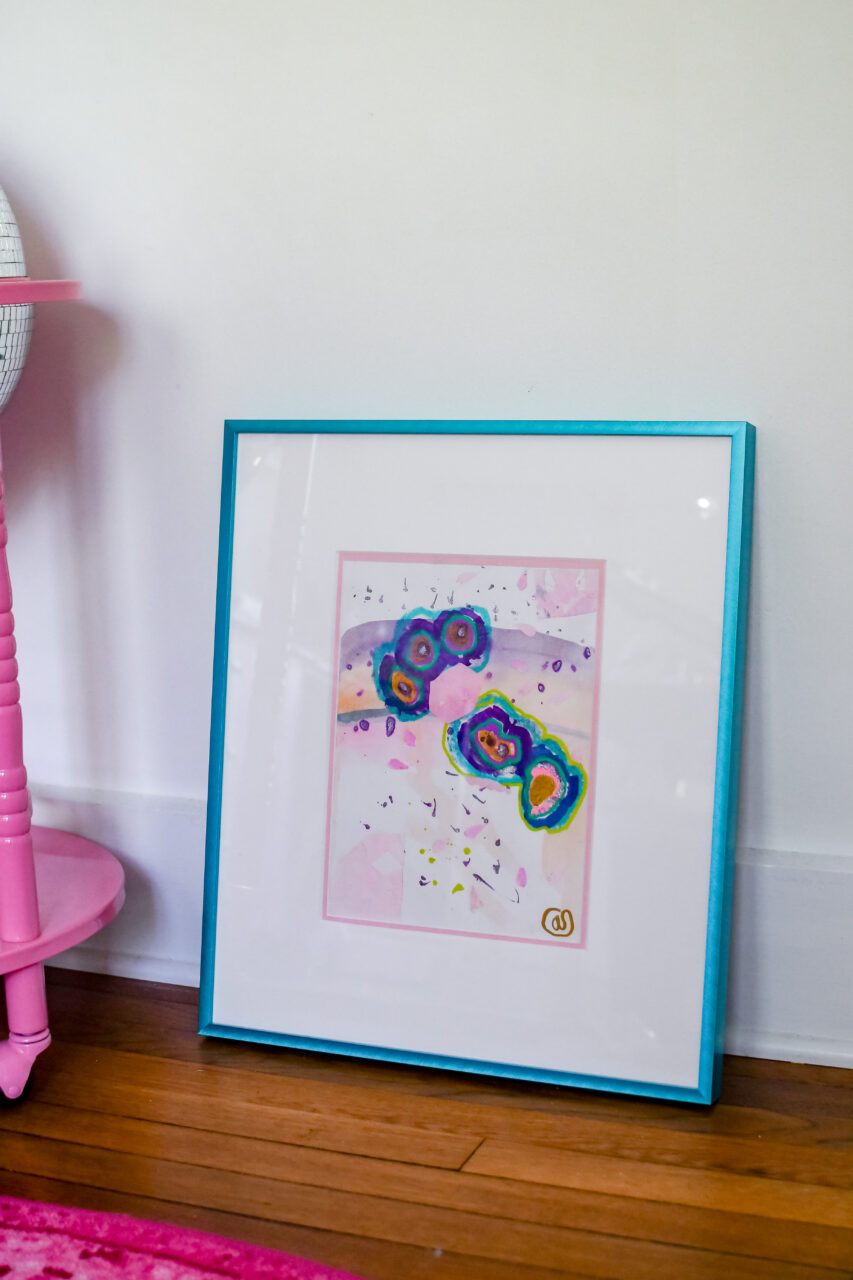
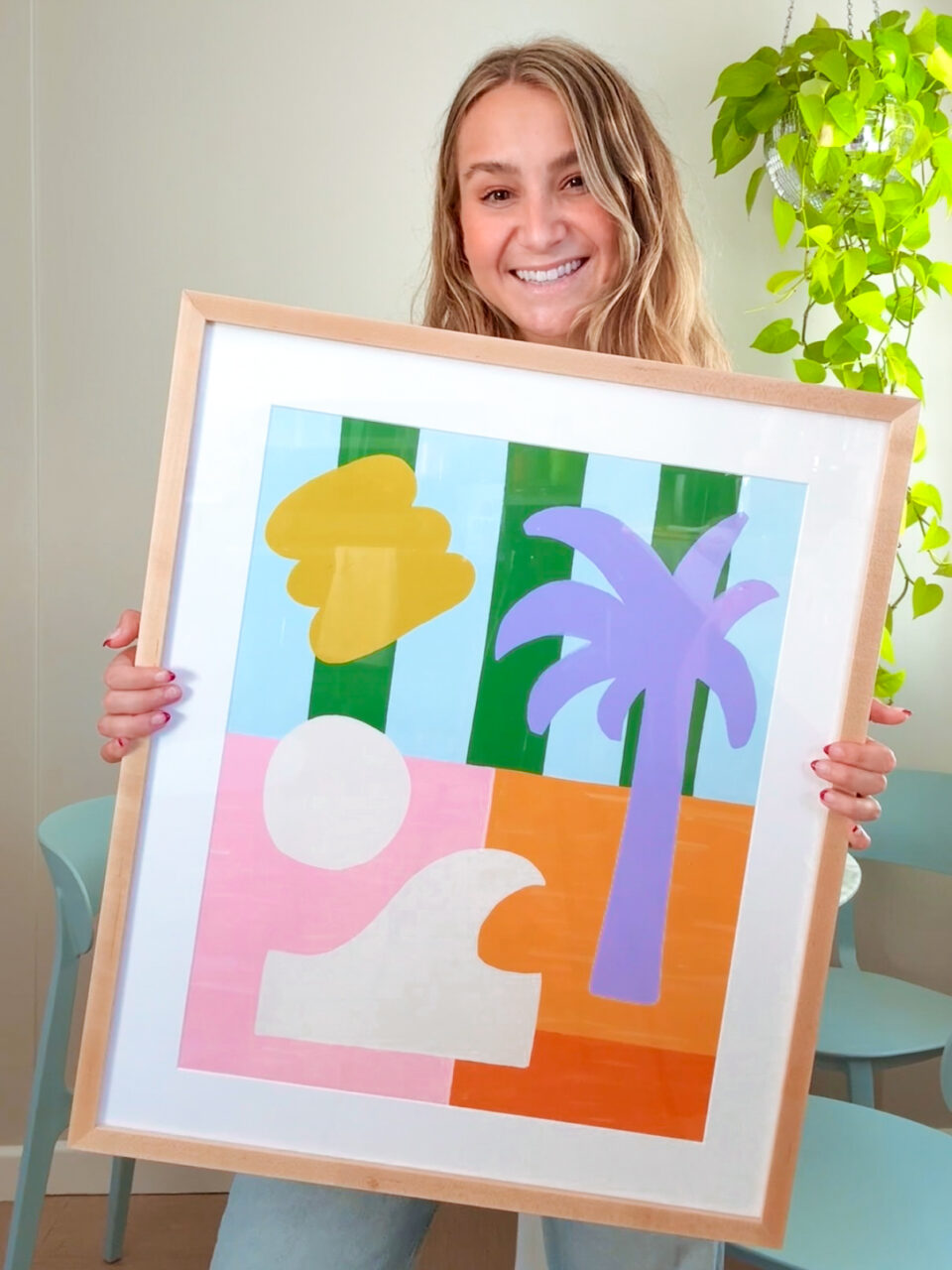
How Framing Can Increase the Value of Your Art
Presentation matters, especially when you’re selling art online, at markets, or as a giftable product.
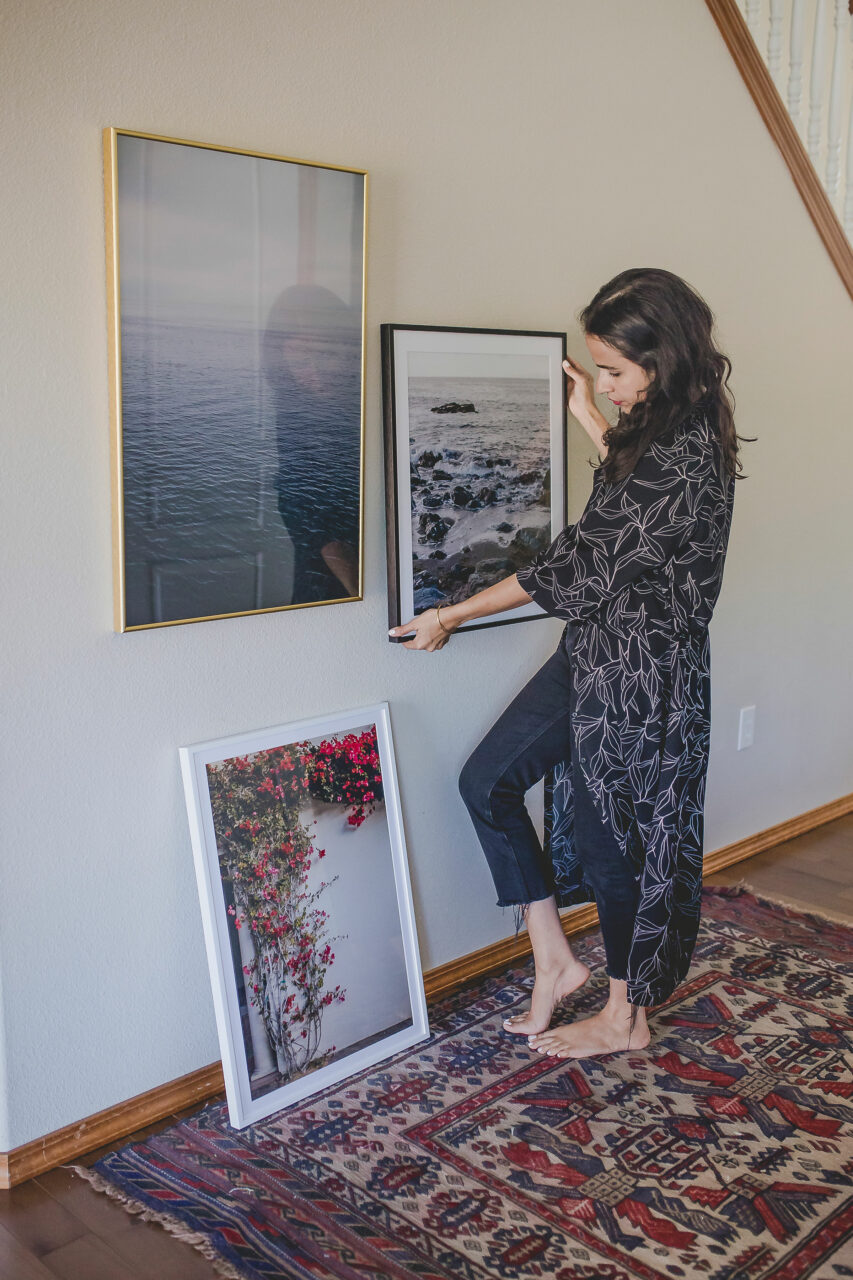
A professionally framed piece often feels more finished, more elevated, and more ready to display than an unframed print alone. That can increase the perceived value of your artwork and help buyers feel more confident about the purchase.
Framing can also help artists create tiered pricing. For example, you may offer:
- an unframed print at one price
- a matted print at a higher price
- a fully framed print at a premium price
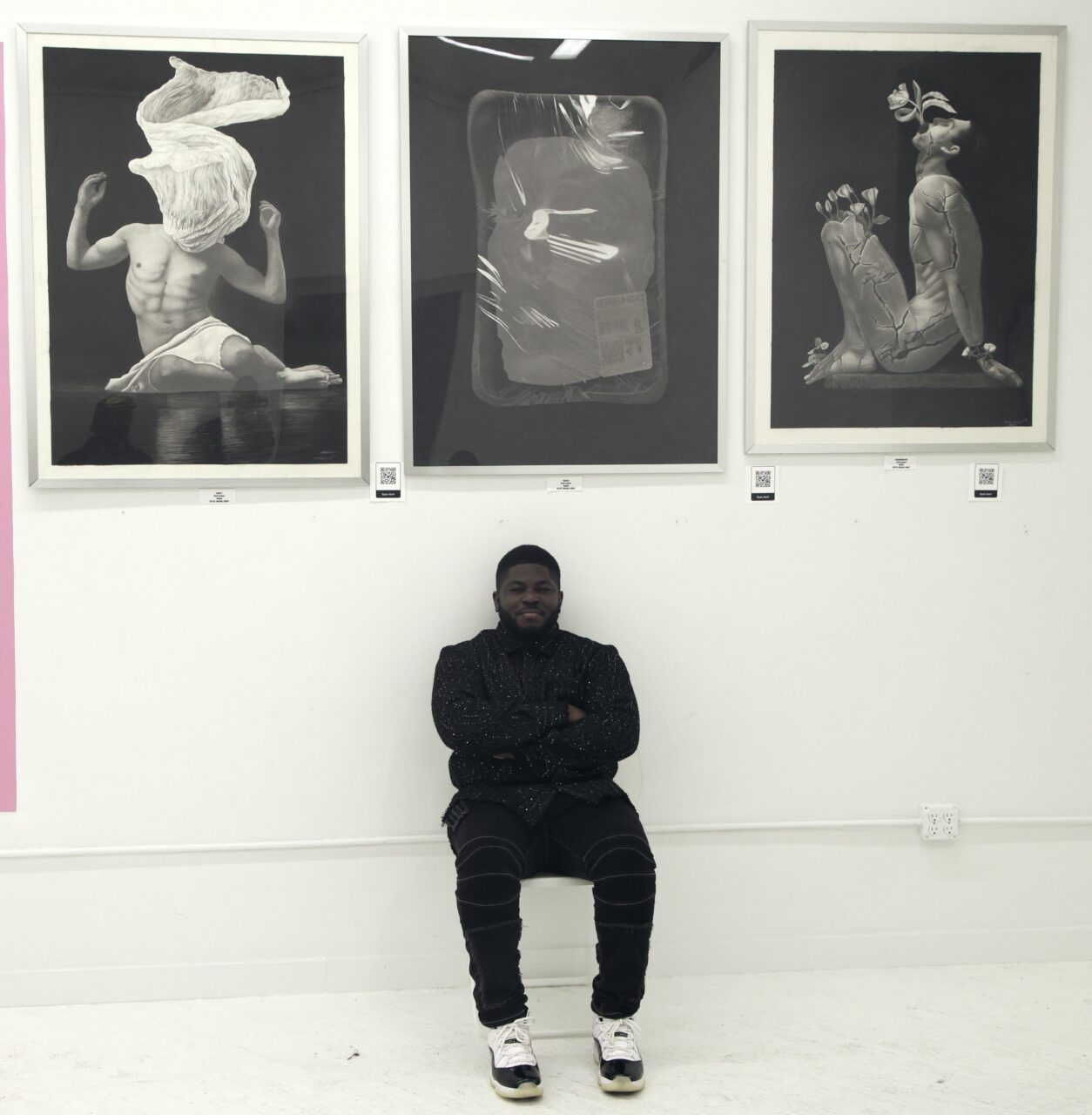
This gives buyers more flexibility while allowing you to increase average order value and offer a more polished product.
If you sell framed art, make sure your price includes the cost of the frame, matboard, cover material, packing materials, and any added shipping complexity. The finished piece may cost more, but it also delivers more value. Plus, your customers don’t have to frame it after the fact. They get a complete display.
Build a Pricing System You Can Repeat
The best art pricing strategy is one you can use consistently.
Once you’ve found a formula that works, apply it across your collection in a way that feels organized and intentional. Buyers appreciate consistency, and a repeatable system helps you price new work faster without second-guessing every piece.
Your pricing may evolve as your skills grow, demand increases, or your product offerings expand. That’s normal. What matters most is that your pricing has a clear foundation and supports both your creativity and your business goals.
Pricing art with confidence gets easier the more you do it.
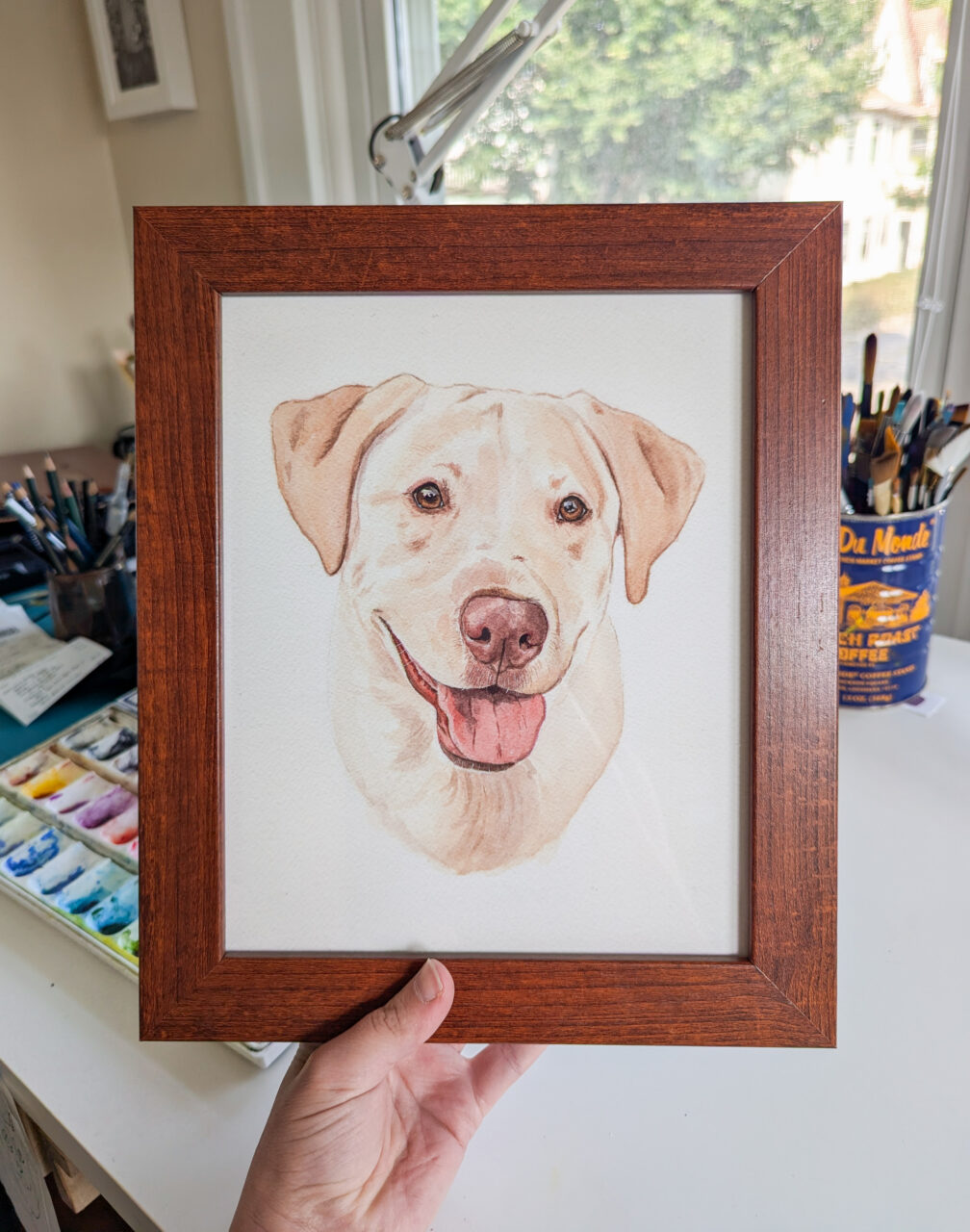
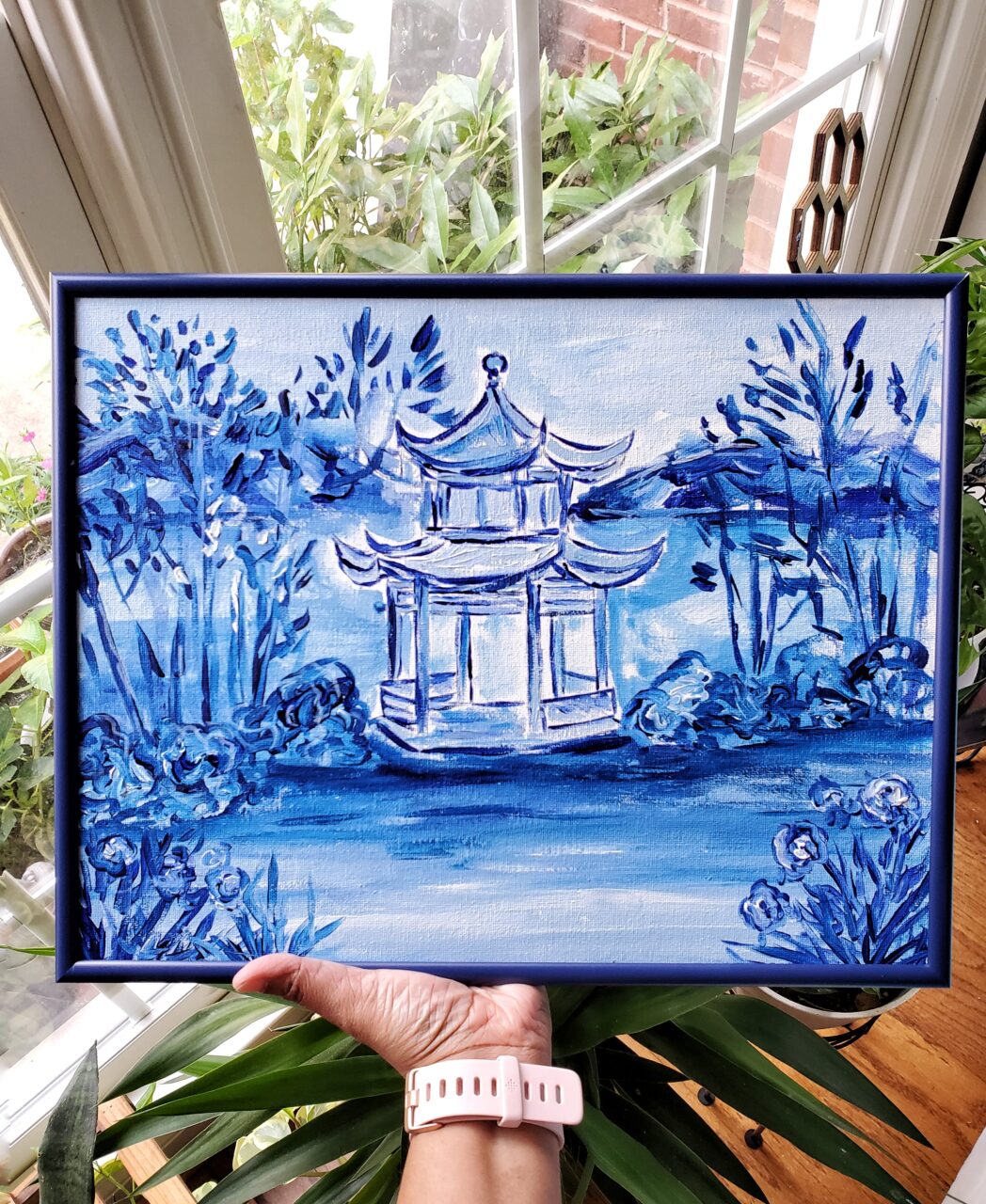
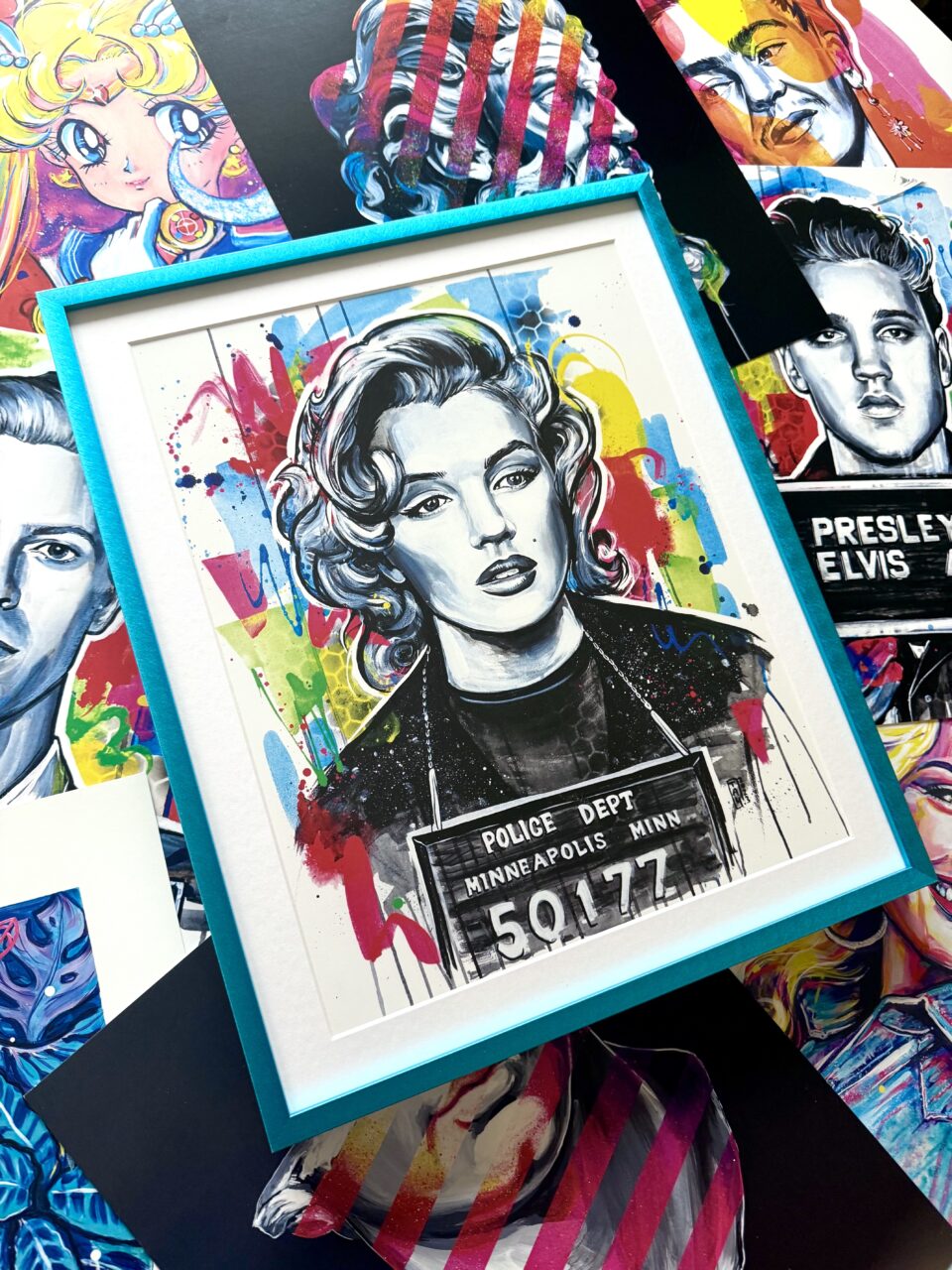
Final Thoughts on How to Price Art
Learning how to price art is part numbers, part strategy, and part confidence.
Start with your real costs. Pay yourself for your time. Factor in business expenses. Compare your work to similar artists. And if you’re selling prints or framed pieces, remember that presentation can make a meaningful difference in how buyers perceive value.
Most of all, give yourself permission to price like a professional. Your work deserves a price point that reflects the thought, skill, and care behind it.
Ready to frame some art?
Let’s get in touch and learn how Frame It Easy can help scale your art business by both printing and custom framing your art.

Frequently Asked Questions About How to Price Art
How do beginners price their art?
Beginners can price art by starting with a simple formula: materials + labor + overhead + profit. Even if you’re new, your price should still cover your costs and pay you fairly for your time.
How do I price original artwork?
To price original artwork, calculate your material costs, time, and business expenses, then compare that price to similar original work in your market. Original pieces are typically priced higher than prints because they are one of a kind.
How do I price art prints?
Art prints should cover printing, paper, packaging, fees, and profit. Since prints are reproducible, they are usually priced lower than originals, but premium paper, larger sizes, and framed options can support higher pricing.
Should framed art cost more than unframed art?
Yes. Framed art should cost more because it includes additional materials, labor, and presentation value. A framed piece is often seen as more finished and ready to display, which can increase perceived value.
How do I know if my art is priced too low?
If your price doesn’t cover your costs, time, and business expenses, or if it would be difficult to repeat that sale sustainably, your art may be priced too low.